Flipping the Script on Classroom Screen Time
Teachers are exhausted. Every time a new digital tool enters the classroom, student eyes lock onto pixels, conversation dies, and critical thinking gets outsourced to an algorithm. It feels like a losing battle.
The anxiety is real. Cheating runs rampant, attention spans shatter, and children spend hours staring at static screens instead of engaging with the physical world around them. But what if we are using the tech completely backward?
Here's the catch: AI doesn't have to keep kids glued to a monitor. When anchored by solid pedagogy, artificial intelligence works best as a catapult. You use it for thirty seconds to prompt, provoke, or structure an idea, and then you slam the laptop shut.
The ultimate goal of using AI in education isn't more tool usage. It's deeper thinking off-screen.
1. Turn Loose Materials Into Engineering Arenas
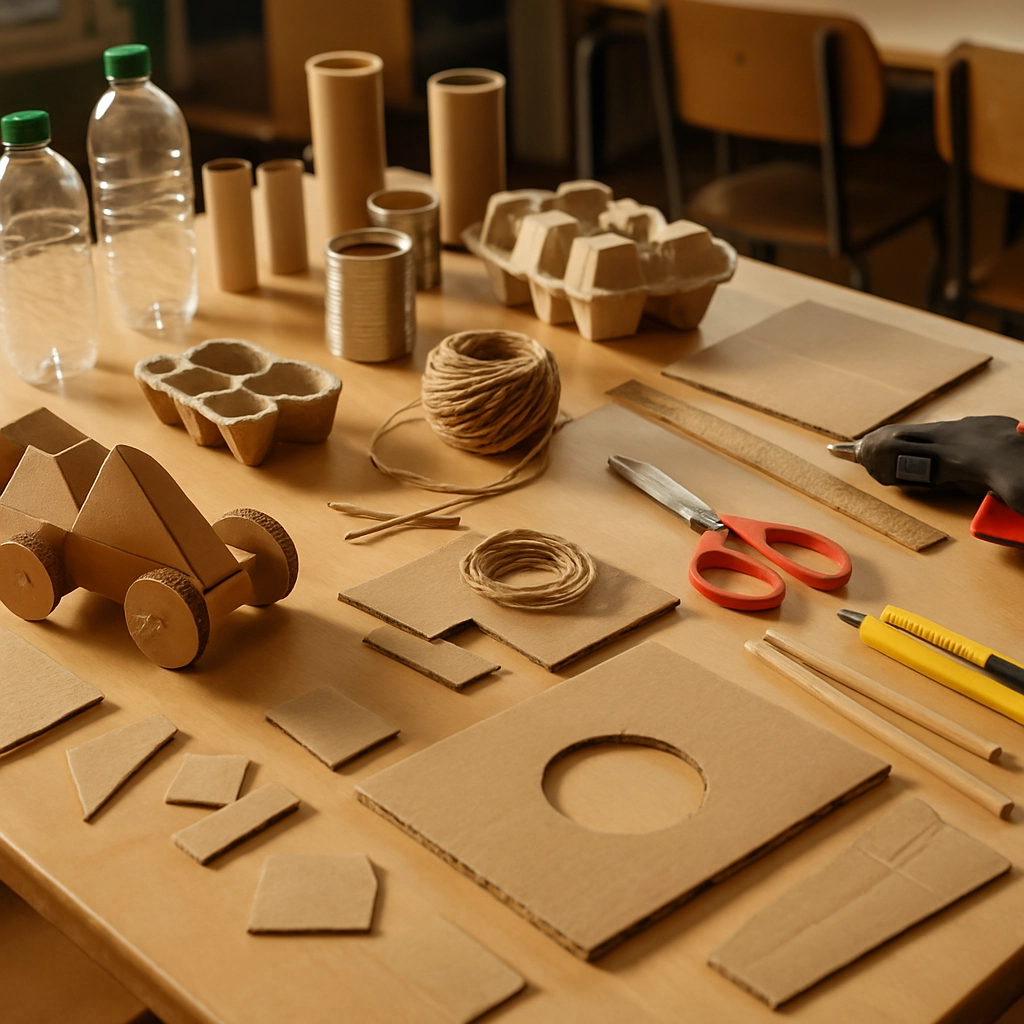
Every classroom has a box of random junk. Pipe cleaners. Popsicle sticks. Cardboard cutouts. Old plastic gears.
Instead of giving students rigid worksheets, let them snap a quick photo of whatever physical supplies sit on their desk. They upload the image to an AI tool with a tight prompt: generate an innovation challenge based strictly on these physical items.
Look closer. The magic isn't in what the AI writes down. The magic happens when the prompt explicitly forbids the tool from offering solutions. It sets constraints, mandates a testable hypothesis, and demands a real-world prototype.
A ten-year-old takes the AI's challenge, steps away from the keyboard, and starts taping cardboard. They fail. They tweak the design. They test again. The machine simply lit the match; the student builds the fire.
2. Enforce Sequential Discipline with Step-by-Step Action Prompts
Kids tend to rush. They want instant results, skipping crucial procedural steps in favor of sloppy shortcuts. AI usually feeds this bad habit by vomiting out entire finished essays or complete code blocks instantly.
We can flip this dynamic entirely.
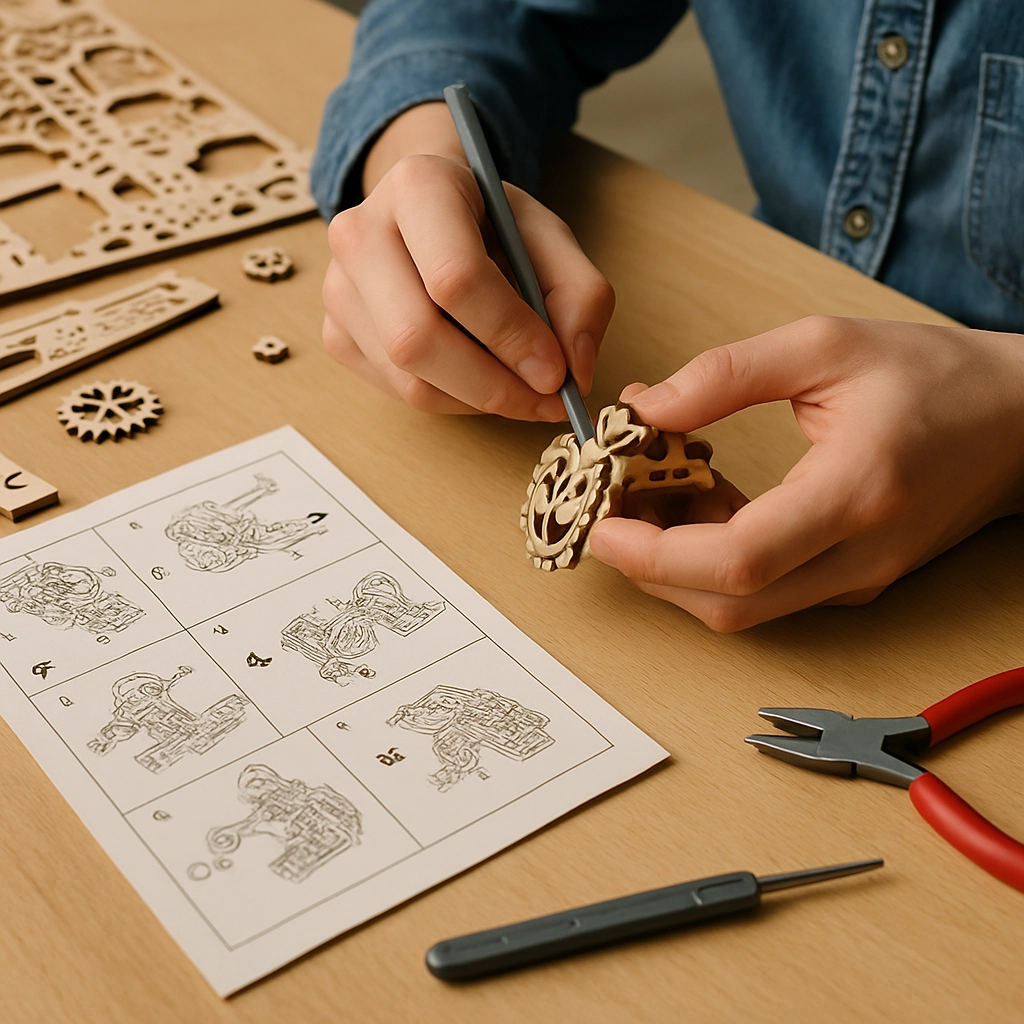
By using conditional prompts, students turn the generative AI into an unyielding, step-by-step coach. The prompt dictates that the tool may only release step two after the student uploads proof that step one was completed physically.
Why does this matter? It forces patience. Whether assembling a basic electrical circuit, repairing a torn book binding, or preparing a chemistry solution, the student must execute in physical reality before receiving the next instruction.
3. Environmental Audits Without Handing Over Answers
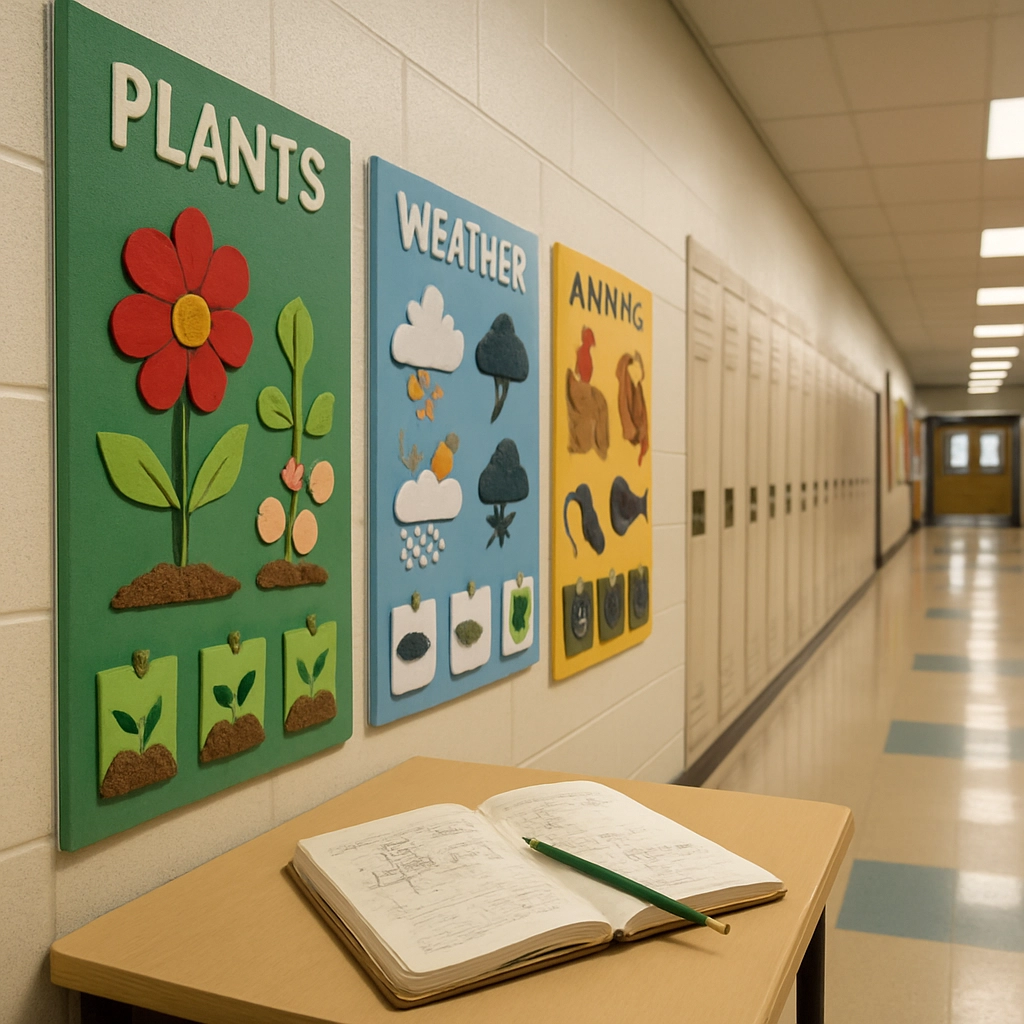
Walk around any school building. You'll spot broken hallway traffic flows, messy recycling bins, overflowing sports gear, and poorly lit corners. These are authentic problem-solving opportunities hiding in plain sight.
Have students snapshot a chaotic or inefficient space in their school or community. They feed the photo into the model with a strict command: identify three latent problems, but do not provide a single solution.
The truth? Students are remarkably good at solving problems once they actually see them. The AI serves as an objective observer, pointing out systemic issues or spatial bottlenecks. Then, the screen goes dark.
Students grab clipboards, measure physical spaces, interview classmates, and draft human-centric solutions. They present these ideas to administrators or local boards. The tech acts as a catalyst, but the civic action happens strictly in the real world.
4. Generating Rich Fieldwork Observation Protocols
Field trips and outdoor observations often devolve into passive walking tours. Students drift around aimlessly, glance at displays, and leave without processing anything meaningful.
Before stepping outside, students use generative tools to build customized, highly tailored fieldwork guides. They prompt the system to craft open-ended observation targets based on specific analytical categories: spatial design, safety hazards, human movement patterns, or cause-and-effect relationships within an ecosystem.
Equipped with these customized prompts on paper, students head into parks, urban plazas, or school grounds. They stop looking at digital displays and start scrutinizing physical environments. They notice subtle details—how shadows shift across a courtyard or how foot traffic bottlenecks near a doorway. The AI doesn't give them answers; it sharpens their eyes.
5. Kinetic Performance and Embodied Content Expression
Rote memorization is dead. Having students summarize scientific concepts or historical events in a standard Google Doc is boring and easily faked.
Instead, use AI to kickstart performance-based, kinetic learning. A group studying cellular respiration or historical events uses a prompt to draft a rough, simple script, rap, or role-play scenario containing core conceptual facts.
Then comes the real assignment: rewrite it, adapt it, rehearse it, and perform it live in front of the class.
Students negotiate roles, add physical props, adjust pacing, and embody the learning. They revise the AI's stiff output to match their actual human voices. By moving their bodies and projecting their voices, abstract concepts become tangible memory structures that outlast any digital quiz.