
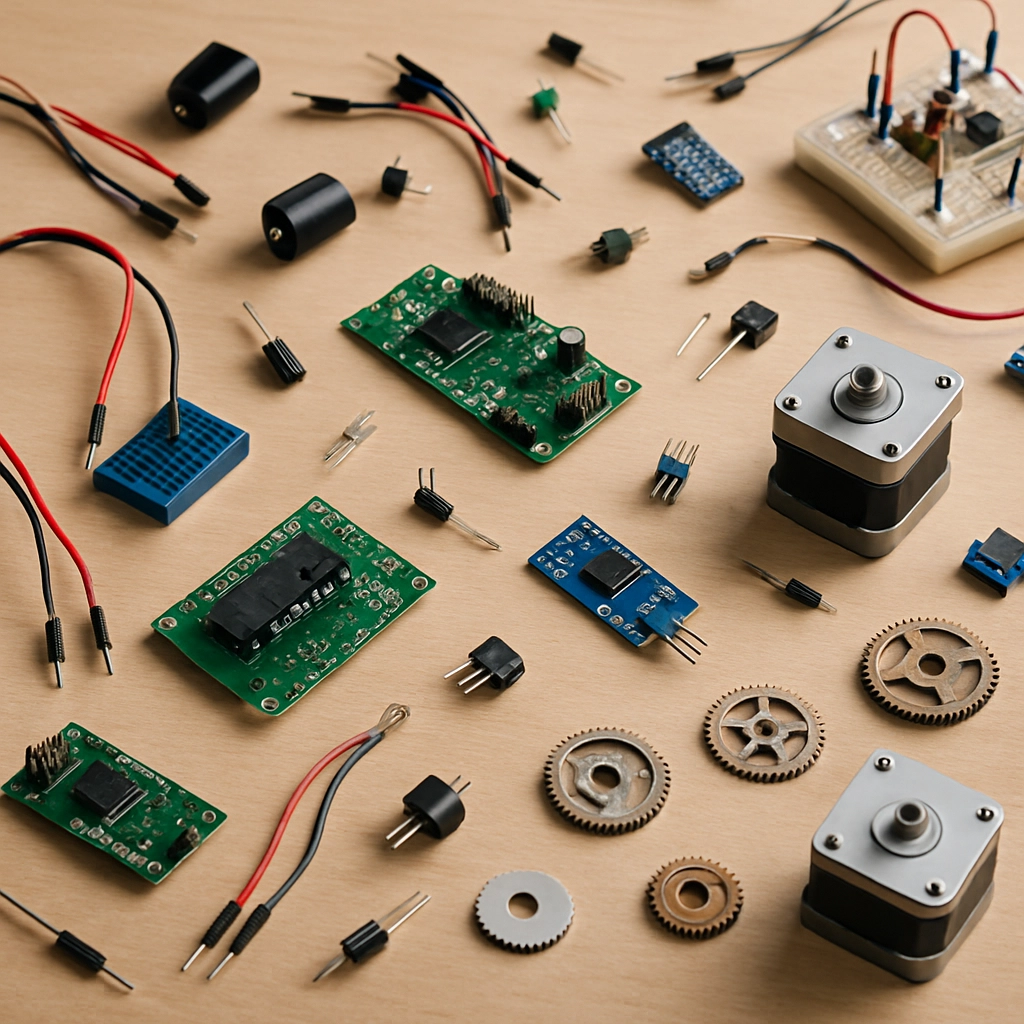
Busy Doesn't Mean Thinking: The Illusion of STEM Engagement
A room full of busy kids looks amazing from the hallway. Motors hum. Hot glue guns drip. Wires snake across wooden tables. It feels like a masterclass in modern, hands-on learning. But take a step closer. Look at what the students are actually doing.
They are following a recipe.
Nobody is stuck. Nobody is taking a calculated risk. Zero real questions are being asked. In short, nobody is thinking.
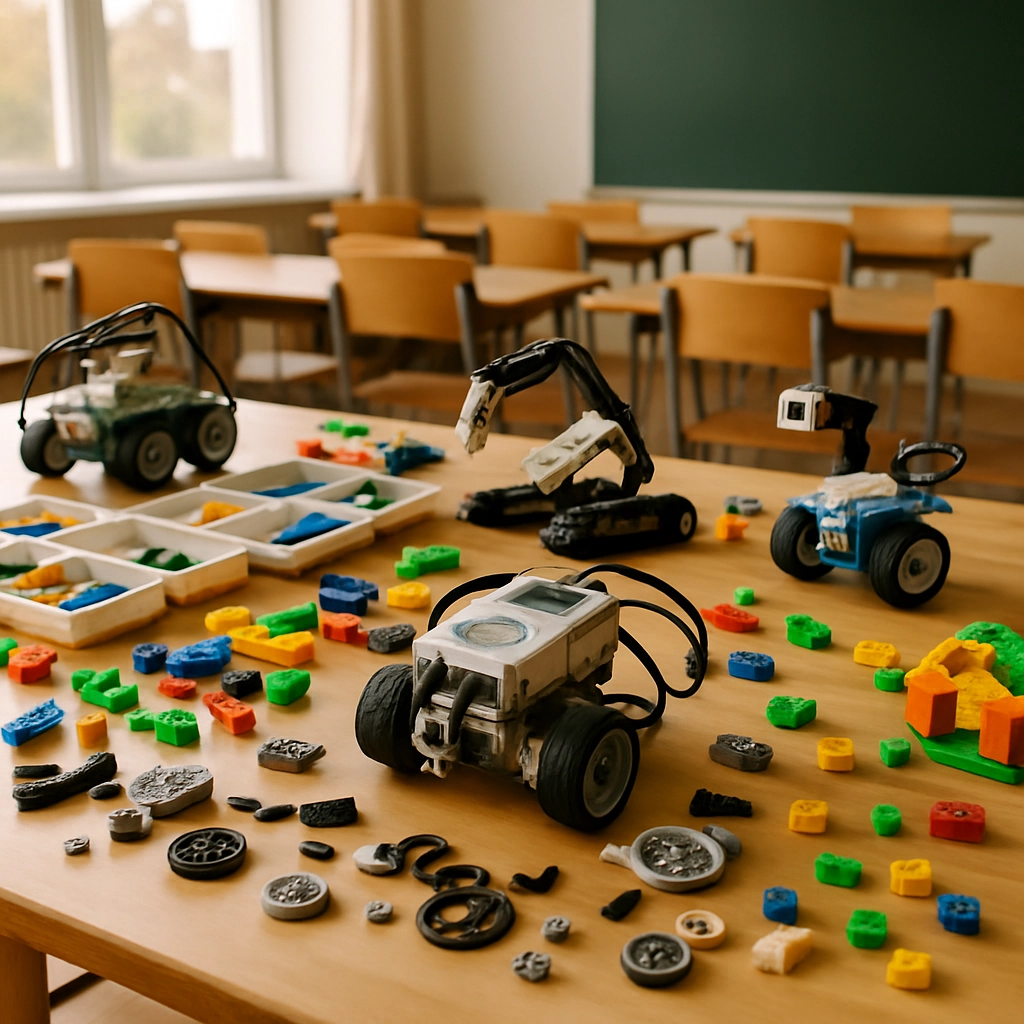
We have been trained to worship engagement. If noise levels are manageable and hands are moving, we give ourselves a quiet pat on the back. It feels good. Yet, busyness is often just compliance wrapped in plastic bins and digital sensors. When every single barrier is pre-cleared by an overly cautious lesson plan, students don't learn how to solve problems. They just learn how to follow directions.
The Scaffolding Trap: Step-by-Step Compliance vs. Actual Learning
Good intentions drive this problem. We hate seeing kids panic. We hate watching them freeze up when a timer is ticking down during a forty-five-minute class period. Naturally, we step in. We chop complex engineering problems into clean, microscopic, digestible bits. We build digital slide decks with step-by-step photos. We add bowling bumpers so nobody throws a gutter ball.
The truth? What happens when you never throw a gutter ball? You never learn how to adjust your stance.
Real learning lives inside an uncomfortable sweet spot. Think of STEM tasks along a simple spectrum:
Too Easy: Students blindly complete steps. Zero decisions made. Fast, uniform finish.
Just Right: Students hit friction. They test ideas, adjust designs, and argue over solutions.
Too Hard: Total paralysis. Frustration triggers a complete cognitive shutdown.
Most teachers over-scaffold because they fear the 'Too Hard' zone. But in doing so, they drag the entire class straight into the 'Too Easy' rut. When everything is pre-figured out for them, nothing gets discovered.
5 Red Flags That Prove Your Lesson Is Too Easy
How do you spot a lesson that lacks cognitive muscle? Look closer at student behavior in real-time.
1. Speed over substance. Students race through the project in record time without hitting a single obstacle. They check the boxes, clear their desks, and sit back bored. Speed replaces actual exploration.
2. Carbon-copy projects. Walk around the room. Do all twenty-five prototypes look identical? If every wind turbine or bridge matches down to the exact millimeter, that isn't engineering success. That is organized copying.
3. The broken-record question: 'Is this right?' Pay attention to what kids ask you. If you keep hearing 'Is this right?' instead of 'What happens if we swap this part?', you have a major signal. They are seeking validation, not pursuing dynamic ideas.

4. Step-by-step maps with no forks. If the project sheet has twelve numbered directions and zero forks in the road, turn off the printer. You built an assembly line, not an engineering lab.
5. Rescuing students too fast. A kid pauses for three seconds. You jump in with an immediate explanation before their brain even registers the friction. You meant well. You just stole their chance to figure it out.
Micro-Tweaks That Force Cognitive Ownership
Fixing this doesn't require throwing out your entire curriculum. You don't need a massive grant or fancy new hardware. Small, deliberate shifts yield massive changes in how kids process information.
Here's the catch: you don't add content to make a lesson harder. You subtract control.
Remove one direction. Delete step four from your instruction guide. Leave a deliberate gap in the protocol. Let the kids figure out how to join two materials or calibrate a sensor without your manual. That gap is where genuine curiosity lives.

Force a design choice. Stop giving them exact bill-of-materials constraints. Instead of saying, 'Use four wooden skewers and two rubber bands,' try saying, 'Select three structural elements from this bin to solve the weight distribution problem.' Now they own part of the outcome.
Embrace awkward silence. When a student looks up and whimpers, 'I don't get it,' don't hand them the answer. Pause. Count to five silently. Let them sit in the productive quiet long enough to start probing their own work.
Reframe your questioning. Ditch 'Is it correct?' Ask 'Why did you pick that angle over this one?' or 'What breaks if we double the load?' Pull thinking out of them instead of pushing answers into them.
The Wind-Car Experiment: What Happens When You Cut Instructions in Half
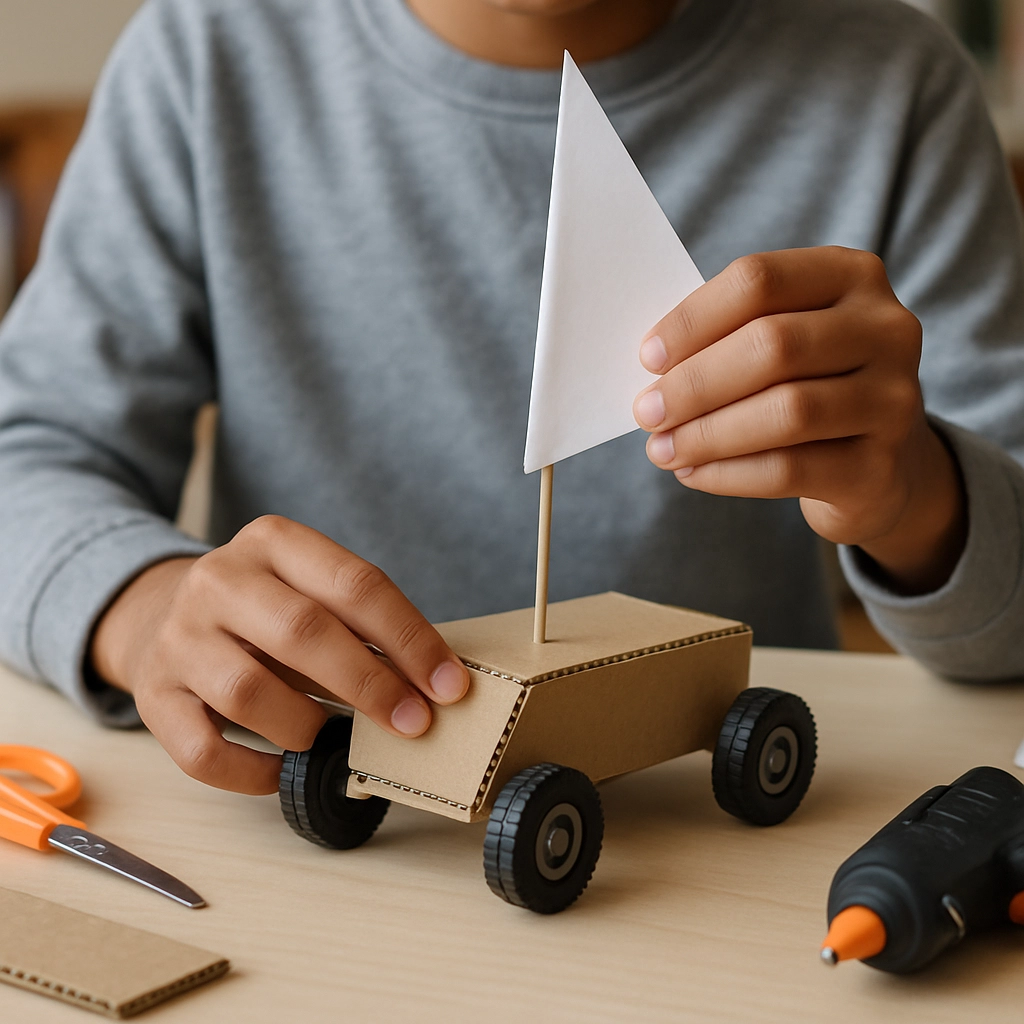
Let me show you how this plays out in practice. Picture a classic STEM activity: building wind-powered cars using cardstock, straws, and plastic wheels.
Under a standard recipe-driven model, every student gets an explicit handout. Cut cardstock into a four-by-six rectangle. Tape straw across bottom. Insert axle. The result? Perfect, working cars across the board in twenty minutes flat. Smooth class. Minimal mess. Absolutely zero original thought.
Now flip the script.
Cut the instructions in half. Hand them the raw materials and set one condition: build a vehicle capable of traveling six feet under fan power using your choice of structural attachments.
Chaos hits immediately. Some sails are ridiculously oversized and cause the vehicle to flip over instantly. Axles bind because tape was applied too tight. Cars spin in erratic circles.
And then the real work starts. Noise levels rise, but it isn't distraction—it's active negotiation. Students modify sail shapes, trim weight, and re-test continuously. Same basic materials. Same objective. Totally different level of mental output.
The Ultimate Thinking Test for Your Next Lesson
Before you launch your next STEM unit, run your plan through one simple filter:
Can a student complete this task without making a single meaningful decision?
If the answer is yes, the task is too easy. You have crafted an exercise in compliance.
When you strip away decision-making, you turn active learners into passive passengers. Passengers might enjoy the ride, but they never learn how to drive. Make thinking unavoidable, and watch your students step into the driver's seat.