The Best Graphic Novels for Kids: Unlocking a World of Visual Storytelling
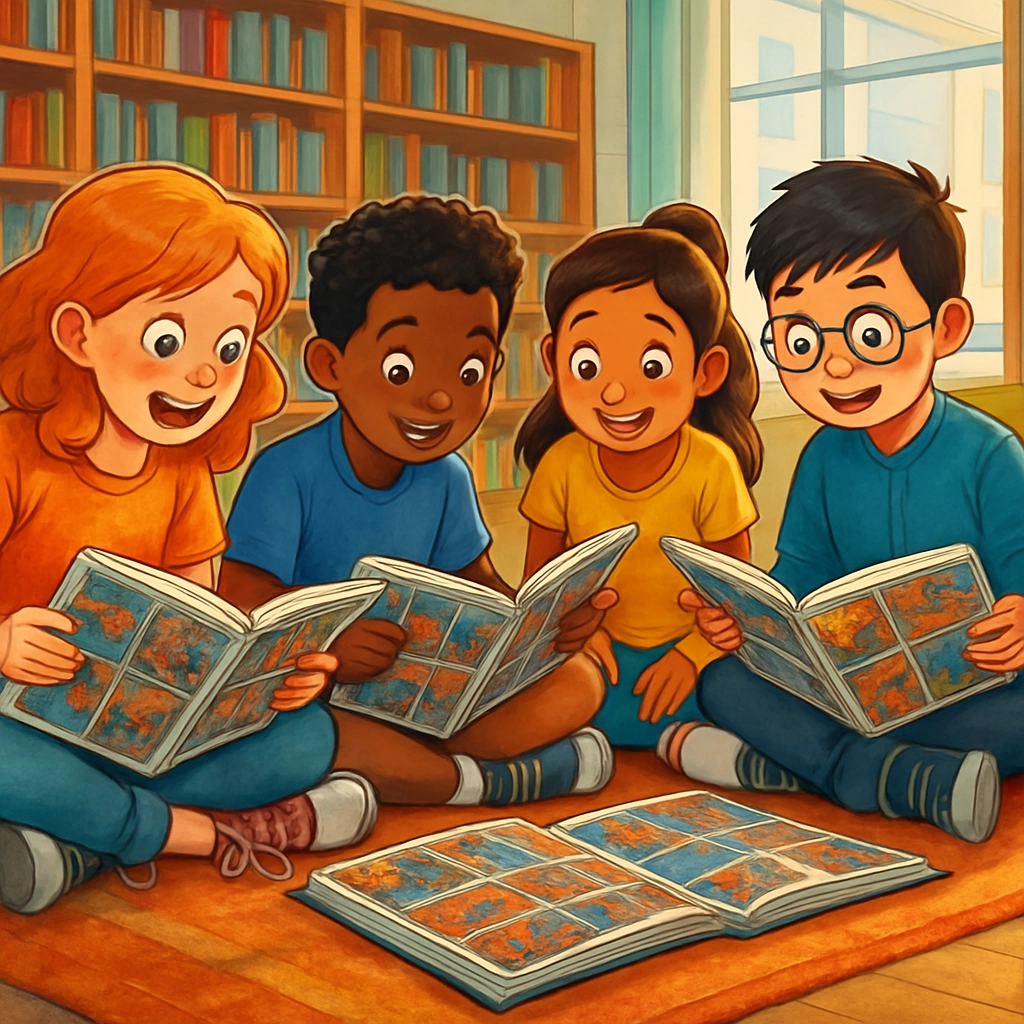
Have you ever wondered why your child is irresistibly drawn to comic books or graphic novels, even when traditional chapter books sit untouched? What is it about this hybrid format of art and text that captivates young minds so effectively? Why are these visually driven stories not just entertaining, but also incredibly beneficial for developing readers? And how can you, as a parent or educator, navigate the vast universe of graphic novels to find the best ones for the children in your life? This article will explore the magic of graphic novels for kids, offering a curated look at some of the best titles, the reasons behind their power, and practical tips for choosing them. Graphic novels are not just a passing trend; they are a literary powerhouse that can foster a lifelong love of reading.
The Unlikely Heroes: Why Graphic Novels Matter for Young Readers
For years, graphic novels were often dismissed as 'just comics' or 'not real reading.' However, the tide has turned dramatically. Educators, librarians, and child development experts now recognize that graphic novels are not only legitimate literature but also a crucial tool for literacy development. The format is unique in that it requires the reader to process information on multiple levels simultaneously. Unlike a traditional text-only book, a graphic novel presents the story through the interplay of visual art, dialogue, narration, and the subtle cues of panel layout, character expression, and background details. This requires a sophisticated skill known as 'visual literacy' – the ability to interpret and derive meaning from images.
The cognitive load is different than with traditional text. For a struggling reader or a child with dyslexia, the visual context provides essential scaffolding. The illustrations offer clues to the meaning of the text, making it easier to decode and understand new vocabulary. This often leads to increased confidence and a willingness to tackle more challenging books. Furthermore, graphic novels are relentlessly engaging. The dynamic artwork, expressive characters, and fast-paced storytelling hook readers in a way that a page of unbroken prose often cannot.
A practical application of this is seen in many classrooms that have adopted graphic novel versions of classic literature, like 'The Odyssey' or Shakespeare's plays. These adaptations make complex narratives accessible to a wider age range and significantly improve comprehension and retention. By embracing the strengths of visual storytelling, these books bridge the gap between picture books and text-heavy novels, making them an essential stepping stone for many young readers.
Top Picks for the Early Elementary Crowd (Ages 5-8)
For the youngest readers, graphic novels serve as a perfect bridge from picture books to chapter books. The best ones for this age group feature simple sentence structures, a limited but rich vocabulary, and highly expressive art that carries the emotional weight of the story. The stories often revolve around friendship, family, animals, and everyday adventures, making them highly relatable.
Classic Choices and Modern Gems
One of the most beloved series in this category is Mo Willems's 'Elephant & Piggie' series, which, while technically an early reader, uses a graphic novel-like format with speech bubbles and exaggerated cartoon expressions. The humor and emotional clarity are perfect for new readers. Moving into more traditional graphic novels, 'Owly: The Way Home & The Bittersweet Summer' by Andy Runton is an absolute masterpiece of wordless storytelling. The gentle, heartfelt adventures of a kind-hearted owl and his friends teach powerful lessons about empathy and friendship through stunning, clear art that requires no reading at all, only understanding. This proves that graphic novels don't even need words to convey a profound narrative.
Another fantastic pick is the 'Narwhal and Jelly' series by Ben Clanton. With its bright, simple art and hilarious, pun-filled dialogue, it captures the joy of friendship between a happy-go-lucky narwhal and a cautious jellyfish. The short chapters are perfectly structured for read-alouds or for beginning readers to tackle on their own. The key to success in this category is the balance between text and image. The art must do as much work as the words. These books help instill a love for the format and build confidence in young readers, showing them that they can 'read a big book' all by themselves.
The Middle Grade Magic: Complex Stories for Ages 8-12
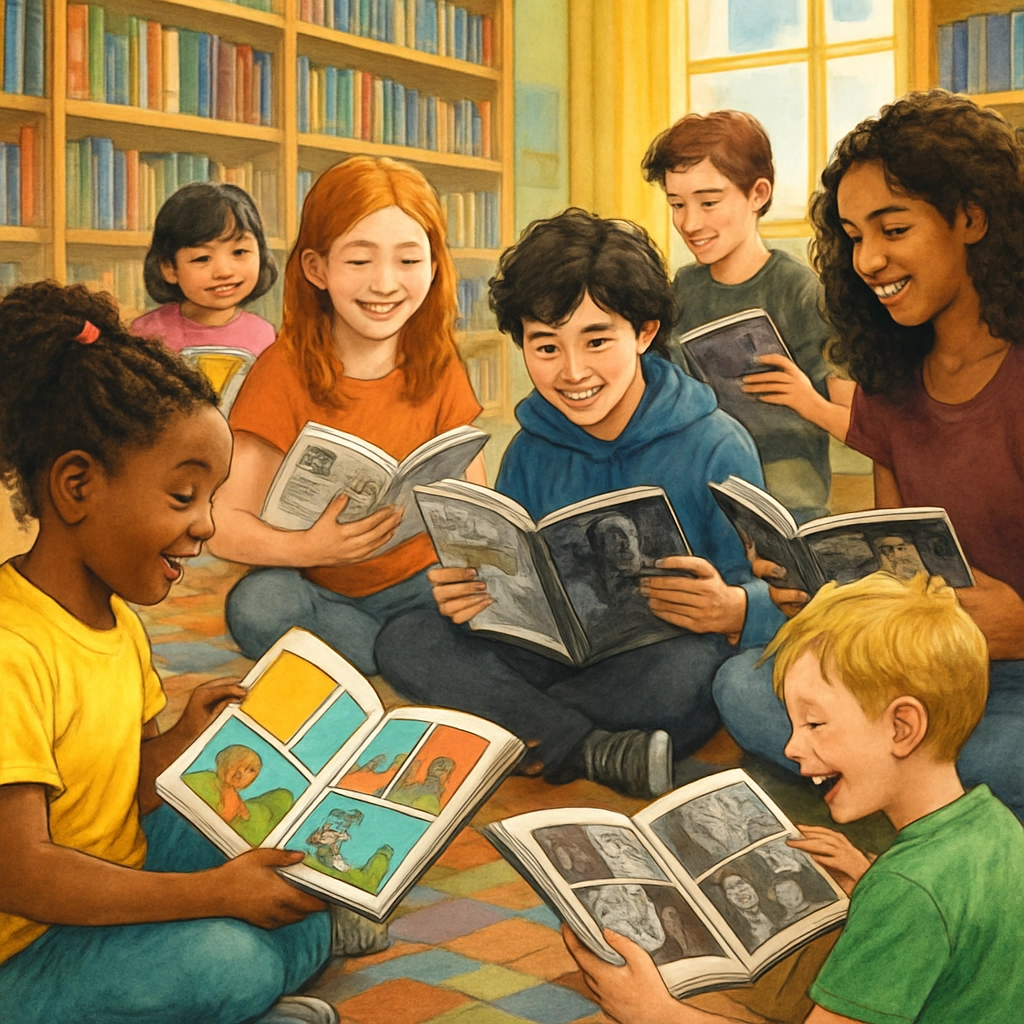
As children enter the middle-grade years, their reading appetites grow more sophisticated. Graphic novels for this age group tackle more complex themes such as identity, friendship crises, family issues, peer pressure, and even social injustice. The art becomes more detailed, and the plotlines are longer and more intricate. This is often the age where readers become truly passionate about graphic novels, turning them into a major part of their reading identity.
Emotional Depth and Real-World Relevance
A landmark title in this category is 'Smile' by Raina Telgemeier. This autobiographical graphic novel follows the author through her middle school years as she deals with the aftermath of a serious dental injury. Telgemeier's work is a masterclass in using humor and emotional honesty to tackle topics like self-esteem, fitting in, and the anxieties of adolescence. The art is relatable and expressive, capturing the cringe-worthy moments of being a teenager with perfect pitch. 'Smile' and its companion books ('Drama', 'Sisters', 'Guts') have become gateway novels for a generation of readers, many of whom credit them with fostering a love of reading.
Another powerhouse is the 'Dog Man' series by Dav Pilkey. Pilkey's genius lies in his ability to create what he calls 'flip-o-ramas' and action-packed, laugh-out-loud adventures that appeal to reluctant readers. With its irreverent humor and themes of friendship and doing good, it encourages readers with its high-interest, low-difficulty vocabulary. For a more fantasy-filled adventure, the 'Amulet' series by Kazu Kibuishi is an epic saga with breathtaking, cinematic artwork. It follows a young girl named Emily as she discovers a powerful amulet and is drawn into a magical, war-torn world. The series is known for its complex world-building and emotional depth, appealing to kids who might otherwise gravitate to sci-fi or fantasy novels. These books not only entertain but also nurture empathy and a deeper understanding of the world around them.
Teen Territory: The Darker and More Complex Narratives (Ages 13+)
The graphic novels for teens evolve into a mature and powerful medium for exploring complex, often darker, subject matter. These are not just 'kids' comics' anymore; they are literary works that challenge the reader and offer nuanced perspectives on life, society, and the human condition. The art styles are as diverse as the stories, ranging from stark black-and-white to lush, experimental color palettes.
Investigative Journalism and Personal Growth in Graphic Form
One of the most significant graphic novels in this category is 'Persepolis' by Marjane Satrapi. This autobiographical masterpiece chronicles the author's childhood and early adulthood in Iran during and after the Islamic Revolution. Through stark and powerful black-and-white drawings, Satrapi provides a deeply personal and universal account of growing up, finding one's identity, and resisting oppression. It is frequently taught in high schools and has been adapted into an animated film. It serves as an excellent example of how graphic novels can be a powerful medium for history and biography.
Another essential read is 'March' by John Lewis, Andrew Aydin, and Nate Powell. This is a three-volume graphic novel memoir of Congressman John Lewis and his pivotal role in the American Civil Rights Movement. It's a stunningly powerful work that uses the graphic novel format to convey the emotional weight and moral urgency of the fight for equality. The artwork is dramatic and immersive, making the historical events incredibly visceral and relatable. For teens, this book is not only a history lesson but a call to civic engagement. These examples show that 'teen' graphic novels are not just for entertainment; they are a legitimate and often indispensable part of a well-rounded education.
How to Choose the Right Graphic Novel: A Simple Guide for Parents and Educators
With the sheer volume of graphic novels available, it can be overwhelming to know where to start. The best approach is to follow the interests of the child. Are they into animals? Space? Fantasy? Humor? Sports? There's a graphic novel for literally every interest, from soccer-focused 'The Road to the World Cup' to science-focused 'The Amoeba Sisters' comics. Start by browsing your local library with your child. Let them pick out a few titles that catch their eye based on the cover art and the synopsis. Many libraries have entire sections dedicated to graphic novels and comics.
Reading a graphic novel 'together' is also a fantastic way to engage with them. You can read a page up-close, discuss the artwork, ask questions about what the characters might be feeling or thinking based on their expressions, and predict what will happen next. This practice reinforces the critical thinking skills involved in visual literacy. For educators, graphic novels can be an incredible asset in the classroom. They are excellent for teaching literary devices like sequencing, plot development, and character motivation. They can also be a bridge to more advanced storytelling. Encourage students to create their own graphic novel vignettes, applying the same techniques they see in their favorite titles.
In conclusion, graphic novels are a multifaceted and invaluable resource for young people. They are not a 'lesser' form of reading but a unique and sophisticated one that enhances comprehension, boosts confidence, and fosters a lifelong love of books. By understanding their power and knowing how to choose them, we can unlock a world of visual storytelling for the kids in our lives. So, what are you waiting for? Go pick up a graphic novel and discover the magic for yourself – and with your child. The adventure is just a page (or a panel) away.