

Why Do 4th Graders Stop Reading? How to Keep Them Hooked with the Best Book Series
What makes a fourth grader put down a book and never pick it up again? Why do some children who loved reading in third grade suddenly lose interest? How can parents and teachers find book series that not only capture their attention but also turn them into lifelong readers? These are questions that puzzle many adults, but the answers might be simpler than we think. The key lies in finding the right stories—ones that match their growing independence, their sense of humor, and their curiosity about the world. This article explores the best book series for 4th graders, based on the recommendations from the trusted resource Imagination Soup, and offers practical advice on how to keep young readers engaged.
The 4th Grade Reading Slump: Why It Happens and What You Can Do
Fourth grade is a pivotal year in a child's reading journey. It's the year when the “learning to read” phase transitions into the “reading to learn” phase. Suddenly, books are longer, vocabulary is more complex, and the pressure to perform well on standardized tests increases. For many children, this shift can be overwhelming. They might feel that reading has become a chore rather than a pleasure. According to the Imagination Soup article, one of the biggest reasons kids stop reading at this age is that they can't find books that speak to their interests. The stories they loved in earlier grades now feel babyish, but the books recommended for their age level might seem too difficult or boring.
So, how do we bridge this gap? The answer is to provide them with high-quality book series that offer relatable characters, engaging plots, and a sense of adventure. Series are particularly effective because they create a familiar world that children can return to again and again. This familiarity builds confidence and encourages them to continue reading. For example, a child who loves animals might devour the Warriors series by Erin Hunter, which follows the lives of feral cats in Clans. The complex social structures and thrilling battles keep them turning pages, and the twelve-book format means they won't run out of material anytime soon.
Practical application: When you notice your child struggling with reading motivation, take them to a library or bookstore and let them choose a series that aligns with their passions, whether it's fantasy, mystery, or realistic fiction. Give them the freedom to pick, even if the book level seems a bit above or below their grade. The goal is to rekindle the joy.

What Makes a Great Book Series for 4th Graders? Key Elements to Look For
Not all book series are created equal. What sets a great series apart for a 4th grader? According to educators and librarians, the best series have several common elements. First, they feature protagonists who are around the same age as the reader, typically 9-10 years old. This allows the child to see themselves in the story and imagine their own adventures. Second, the plotlines are engaging but not overly complex, with a balance of action, dialogue, and descriptive passages. Third, they often include humor or a sense of wonder that appeals to the 4th grade sense of fun.
Another crucial factor is diversity. In today's global society, children need to see themselves and others in the books they read. A series like Jada Jones by Kelly Starling Lyons features a young African American girl navigating friendships and school life, providing representation for many readers. Similarly, Jedi Academy by Jeffrey Brown combines the Star Wars universe with the trials of a middle school student, appealing to reluctant readers who prefer graphic novels. The visual format of graphic novels is especially effective for 4th graders who are transitioning to chapter books, as it helps them understand context and character emotions through illustrations.
Real-world example: A teacher in Colorado noticed that her most reluctant readers were boys who loved action movies. She introduced them to the Alex Rider series by Anthony Horowitz, which follows a teenage spy. The fast-paced plot and modern settings were a hit, and these students began reading every book in the series, eagerly discussing each twist with each other. This shows that matching the book's themes to the child's real-life interests is a powerful tool.
Top Book Series for 4th Graders: From Fantasy to Mystery
Now, let's dive into some specific series that the Imagination Soup article highlights as must-reads for 4th graders. These books have been vetted by parents, teachers, and kids themselves:
- Keeper of the Lost Cities by Shannon Messenger – This is a fantasy series that follows Sophie Foster, a telepathic girl who discovers she is an elf. The series is packed with adventure, magical abilities, and intricate world-building. It's perfect for kids who love Harry Potter and are looking for a new world to get lost in. The series has seven books, so it will keep them busy for a while.
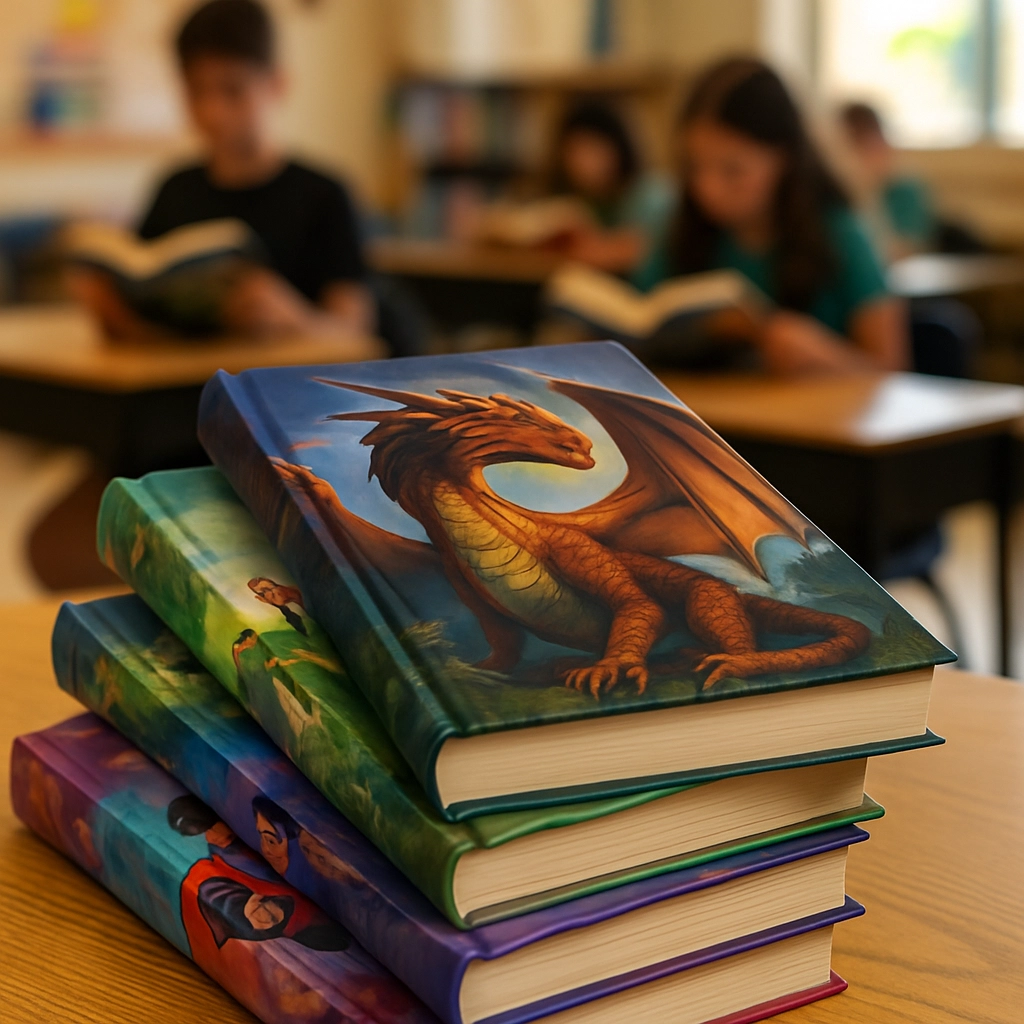
- Wings of Fire by Tui T. Sutherland – For fans of dragons, this series is a dream. It follows five dragonets destined to end a war. The books are full of drama, teamwork, and moral dilemmas. Each book is written from a different dragon's perspective, offering a fresh viewpoint and keeping the narrative dynamic.
- The Baby-Sitters Club by Ann M. Martin – This classic series has been updated with graphic novel adaptations. It centers on a group of friends who start a babysitting business. The stories deal with real-life issues like sibling rivalry, family problems, and growing up. The graphic novel versions are particularly popular among 4th graders who prefer visual storytelling.
- I Survived by Lauren Tarshis – This series combines historical fiction with thrilling survival tales. Each book focuses on a major historical event, like the sinking of the Titanic or the attacks of September 11. The books are short and fast-paced, making them excellent for reluctant readers. They also provide a springboard for discussions about history and resilience.
- Whatever After by Sarah Mlynowski – This is a fairy-tale twist series where siblings Abby and Jonah travel into fairy tales and have to fix them. The books are humorous and imaginative, encouraging creativity and rethinking of classic stories. Kids love the idea of being able to change the outcome of Cinderella or Snow White.
These series are popular for a reason – they keep kids reading. But how do you know which one is right for your child? Start by reading the first book together or listening to the audiobook during a road trip. This shared experience can open up conversations about the plot and characters, deepening the child's understanding and enjoyment.
Graphic Novels and Audiobooks: The Modern Alternatives to Traditional Reading
In the digital age, the definition of “reading” has expanded. Many 4th graders are drawn to graphic novels and audiobooks, which can be just as beneficial for literacy as traditional chapter books. The Imagination Soup article highlights series like Dog Man by Dav Pilkey and Smile by Raina Telgemeier, which are hugely popular. Graphic novels help children interpret visual cues, understand facial expressions, and follow complex storylines through a combination of text and art. They are especially useful for visual learners and reluctant readers who might feel daunted by dense paragraphs.
Audiobooks, on the other hand, allow children to experience stories above their reading level. They can listen to Percy Jackson while following along with the text, which improves pronunciation and fluency. Many parents find that playing an audiobook during car rides or while doing chores transforms reading time into a family activity. The key is to pair audiobooks with printed versions so the child can see the words as they hear them, reinforcing the connection between spoken and written language.
Practical application: Try a “choose your own adventure” approach—let your child pick between a traditional book, a graphic novel, or an audiobook on a platform like Audible. By allowing them to control the format, you empower them to take ownership of their reading experience. A child who struggles with traditional text may thrive with a graphic novel, and that success can build the confidence to tackle longer chapter books later.
How to Encourage a Reluctant 4th Grader to Pick Up a Book
If your child is reluctant to read, don't panic. There are many strategies to rekindle their interest. First, model reading. When children see adults enjoying books, they are more likely to try it themselves. Set aside a “quiet reading time” where the whole family reads their own books for 20 minutes. This creates a positive environment and shows that reading is a valued activity.
Second, let them read what they want, even if it's a comic book, a joke book, or a TV show guide. The goal at this stage is to build stamina and confidence. The more they read, the better they get, regardless of the format. Once they discover the joy of getting lost in a story, they will naturally seek out more challenging material.
Third, connect books to their lives. If your child is passionate about soccer, find series like The Kicks by Alex Morgan. If they love animals, suggest Rescue Princesses by Paula Harrison. When a book reflects their own interests, they are immediately more engaged. The Imagination Soup article also suggests involving them in the selection process. Take them to the library and encourage them to pick out books that look interesting. Even if they choose one that seems too easy, let them read it; their taste will evolve naturally.
Real-world example: A mother of a 9-year-old boy who was hooked on video games started a family book club where they watched a movie adaptation after reading the book. They read The Lightning Thief together, then watched the movie. The comparison sparked lively discussions about the differences, and the boy asked to read the second book immediately. This shows that pairing books with other media can create a compelling reading incentive.

The Benefits of Book Series: Building Reading Stamina and Comprehension
Why are book series particularly beneficial for 4th graders? Beyond the immediate appeal, series help develop reading stamina. As children read one book after another in a series, they build the ability to stay engaged with a narrative for extended periods. This stamina is crucial for their academic success, as they will soon face longer textbooks and more complex assignments. Moreover, series improve comprehension skills. Because the child becomes familiar with the characters and the world, they can focus more on the plot nuances and character development rather than struggling to understand the basics.
Furthermore, series provide a sense of belonging. When a child reads a series, they join a community of readers who share their love for that world. They might trade books with friends, discuss theories on online forums, or look forward to the next release. This social aspect makes reading a shared experience, which is incredibly motivating. For example, the Harry Potter series has been a cultural phenomenon for decades, but even smaller series like The School for Good and Evil by Soman Chainani have dedicated fan bases among 4th and 5th graders.
Practical application: Encourage your child to start a book club with their friends. They can all read the same series and meet once a month to discuss it. This not only improves their critical thinking but also their social skills. You can even provide snacks and themed activities to make it fun. The key is to make reading a social, enjoyable activity rather than an isolated chore.
In Conclusion: Unlocking the Magic of Reading
So, why is it so important to find the right book series for your 4th grader? The answer is simple: because a love of reading opens doors to a lifetime of learning. When children find stories they love, they don't just improve their reading skills; they also develop empathy, creativity, and a curiosity about the world. The book series mentioned in this article are just a starting point. The true key is to listen to your child, observe their interests, and let them lead the way. Reading is not a race; it's a journey. By providing them with the right books at the right time, you can help them discover the joy of being a reader.
What will you do today to help the 4th grader in your life fall in love with reading? Try taking a trip to the library, picking up a series from this list, and starting a reading adventure together. The books are waiting, and so is the magic.