Introduction
Artificial intelligence (AI) is not just a buzzword anymore; it's increasingly becoming part of our everyday reality, especially in K–12 education. Yet, as educators embrace these technologies, they face the challenge of helping students navigate the complex interplay between human-like interactions and machine functions. This article will explore anthropomorphism in AI and how to effectively teach students about it.
The Nature of Anthropomorphism
Before delving into AI, we must first understand anthropomorphism itself. It’s a natural inclination for humans to attribute human traits to non-human entities. Think about how kids often name their toys or talk to their pets as if they can understand them. This tendency isn’t just whimsical; it can significantly shape how we perceive technology.
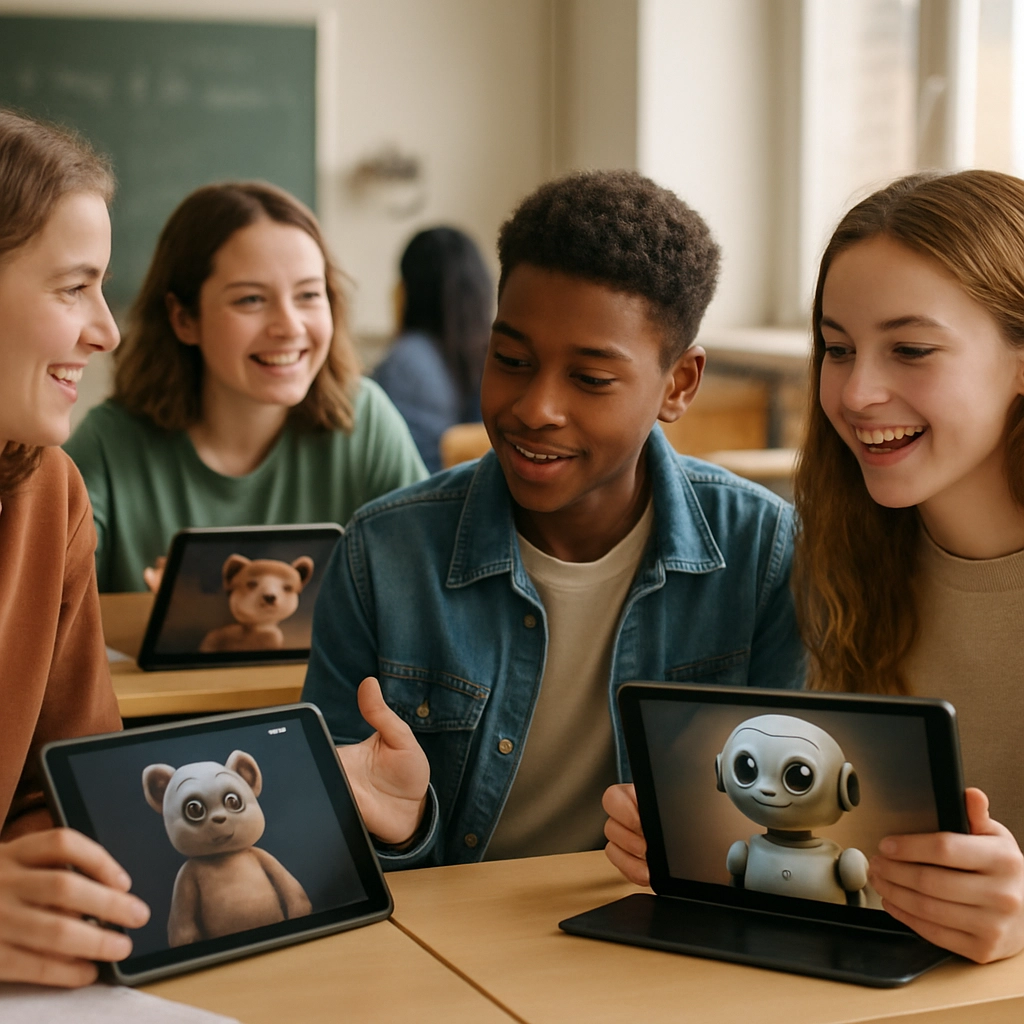
So, why does it matter? When students engage with AI tools that mimic human responses—like chatbots—they might mistakenly interpret these interactions as genuine. This misunderstanding can lead to misplaced trust in systems that lack emotional capabilities.
Recognizing Anthropomorphism in Everyday Life
To start educating students on anthropomorphism, it’s essential to draw from familiar examples. Ask them to share instances where they've assigned human characteristics to objects or animals. Here are some potential discussion points:
- Toys: How do children view their dolls or action figures?
- Pets: Why do people talk to animals as if they understand?
- Nature: How do we describe the weather—“angry clouds” or “happy sunshine”?
These conversations lay the groundwork for understanding how similar patterns appear in AI interactions.
Spotting Human Qualities in AI
AI systems often use language that suggests feelings and relationships. For instance, phrases like “I missed you” or “You can tell me anything” imply emotions that AI simply cannot experience. Here’s the catch: these statements can create an illusion of companionship and trustworthiness.
Educators should encourage students to critically assess AI-generated communications. They could sort statements into categories such as feelings, authority, and helpful assistance. This activity helps illuminate the difference between genuine emotional expressions by humans and emotionally suggestive language used by machines.
The Importance of Emotional Intelligence
As students learn about emotional expression, they also need to distinguish between real feelings and those simulated by AI systems. The truth? Recognizing this distinction strengthens their empathy and critical thinking skills.
A useful exercise involves comparing statements made by humans versus those generated by an AI tool:
- Human statement: “I’m anxious about my exam.”
- AI response: “I understand you’re feeling stressed.”
- A functional statement: “Let’s go over your study materials together.”
This exploration helps solidify concepts of authenticity versus simulation within student minds.
Revising Language for Clarity
The persona prompting method often leads to anthropomorphic language in AI interactions. While this technique can be pedagogically valuable—allowing students to role-play with historical figures or scientific experts—it’s crucial that they understand how prompts influence outcomes.
A practical activity would involve having students revise anthropomorphic statements into more accurate representations of what AI can provide:
- Original: “I believe this is correct.”
Revised: “Based on available data, this seems accurate.” - Original: “I care about your success.”
Revised: “I can assist you in achieving your goals.”
This practice empowers students to become active evaluators rather than passive consumers of information.
The Role of Persona Prompts in Learning
AIs can adopt various personas based on user prompts—acting as tutors or guides. However, understanding when these roles are appropriate is vital for safe engagement with technology. For example, while an AI could assist with study techniques, it should never replace professional advice from qualified individuals like doctors or counselors.
Critical Evaluation of AI Interactions
The final step in teaching students about anthropomorphism involves evaluating the utility of different persona prompts. Students should analyze whether a given prompt enhances learning or poses risks. Questions like these are essential for guiding discussions:
- What advantages does this persona offer?
- What dangers might arise from misusing this tool?
- When should I consult a human expert instead?
This level of critical examination prepares students not just to consume content but also to question its validity and reliability thoroughly.