What If School Was Built on Trust and Democracy? A Deep Dive into the Danish Education Model
What if the key to a happier, more effective education system lies not in stricter discipline or more tests, but in trust, democracy, and a deep respect for the individual child? Why do Danish students consistently rank among the happiest in the world, with high academic performance and low stress? How does a country with such a relaxed, student-centered approach manage to produce creative, resilient, and collaborative citizens? These are the questions that many educators and policymakers around the globe are beginning to ask as they look toward the Scandinavian model. In this article, we will explore the inner workings of the Danish school system, drawing on insights from the acclaimed Cult of Pedagogy article, to understand what makes it so unique and what lessons we might apply to our own educational contexts.
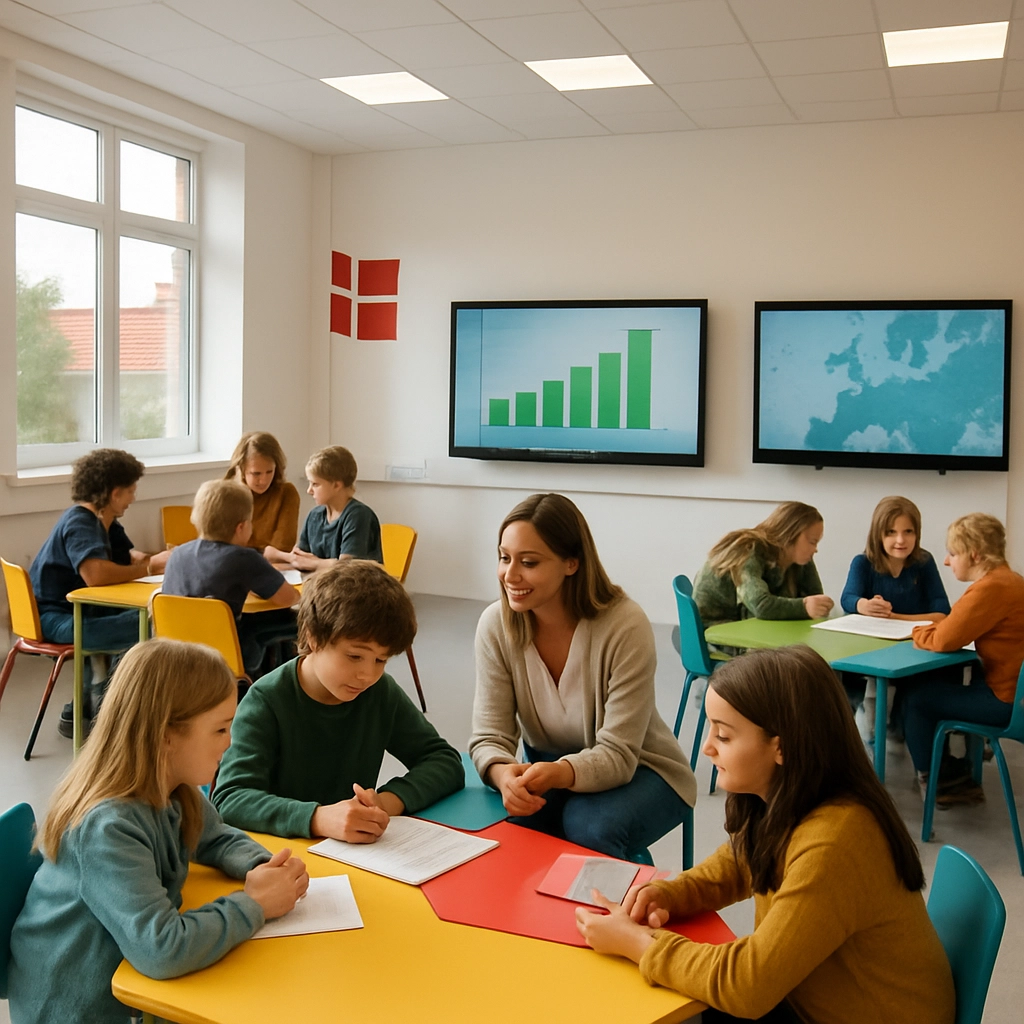
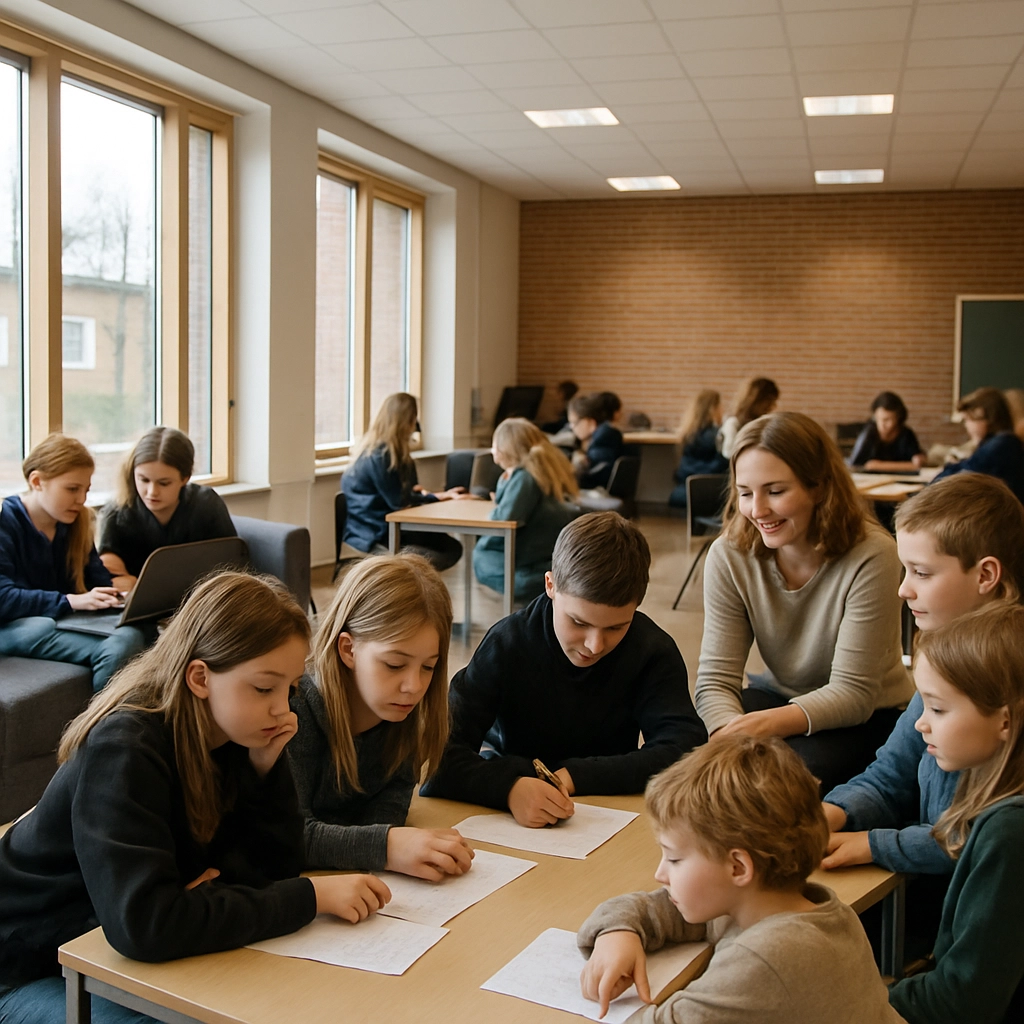
At first glance, a Danish classroom might not look like a traditional 'school' as many of us know it. There are no rows of desks facing a teacher at a blackboard. Instead, you might see students lounging on sofas, sitting on the floor, or working in small clusters around tables. The teacher is not a 'sage on the stage' but a facilitator and guide, moving among the students, asking questions, and encouraging discussion. This is not chaos; it is a carefully designed environment that mirrors the core values of Danish society: egalitarianism, collaboration, and lifelong learning. The goal is not to fill students with facts, but to help them become autonomous, critical-thinking individuals who can navigate a complex world with confidence and empathy.
The Foundations: Trust and the Whole Child
The Danish education system is built on a profound trust in children and in the learning process itself. This trust manifests in several key ways. First, there is a strong emphasis on respecting the whole child—their social, emotional, and physical well-being are considered just as important as their academic achievements. This is not something that is merely discussed; it is institutionalized. For example, in Danish schools, there is no denying the importance of what they call dannelse, a term that is nearly impossible to translate directly but roughly means 'the holistic formation of the person'—nurturing character, empathy, and a sense of civic responsibility. This philosophy encourages teachers to slow down, to listen to students' concerns, and to prioritize building strong, positive relationships. The Cult of Pedagogy article highlights how this approach leads to a school culture where students feel safe, valued, and have genuine ownership over their learning—a stark contrast to the often anxiety-inducing, test-driven environments found elsewhere.
How does this trust translate into daily practice? One concrete example is the relatively minimal amount of mandatory testing. While there are national exams at certain levels, the system avoids the relentless, high-stakes testing that is common in many other countries. Instead, assessment is ongoing and primarily formative—it is about providing feedback that helps students improve, not about ranking or punishing them. This reduces stress and allows teachers to focus on understanding each student's strengths and challenges deeply. The result is a more relaxed, authentic learning environment. The real-world practical application is clear: when students are not constantly worried about the next test, they are more likely to take intellectual risks, explore topics that genuinely interest them, and develop a genuine love for learning that extends far beyond the classroom.
The Physical and Emotional Environment: Designing for Well-being
Walking into a Danish school, one of the first things you notice is the physical environment. It is often warm, inviting, and deliberately designed to feel less like an institution and more like a community hub. Classrooms are flexible learning spaces, not fixed rows. There are comfortable seating areas, plants, natural materials, and an abundance of natural light. The article describes how this setup has a direct impact on students’ emotional state and ability to learn. When students are physically comfortable and feel aesthetically connected to their surroundings, they are more relaxed and more open to engagement. This is not just about aesthetics; it’s about creating a psychological safety net that allows for genuine communication and collaboration.
Furthermore, the emotional environment is carefully cultivated. There is a strict anti-bullying program called the Fri for Mobberi program, which is implemented from kindergarten through the primary years. This is not a reactive measure; it’s a proactive, comprehensive strategy that uses themes like empathy, tolerance, and respect to build a positive social identity within the classroom. The program emphasizes the group over the individual, teaching children to be responsible for each other’s well-being. This has a dramatic effect on the classroom climate. As a practical application, consider your own school or workplace: what would happen if you actively invested time and resources into building empathy and group coherence as a foundational layer, rather than treating it as an afterthought? The Danish approach shows that this is not only possible but crucial for academic success.
Teaching Methods: Collaboration over Competition
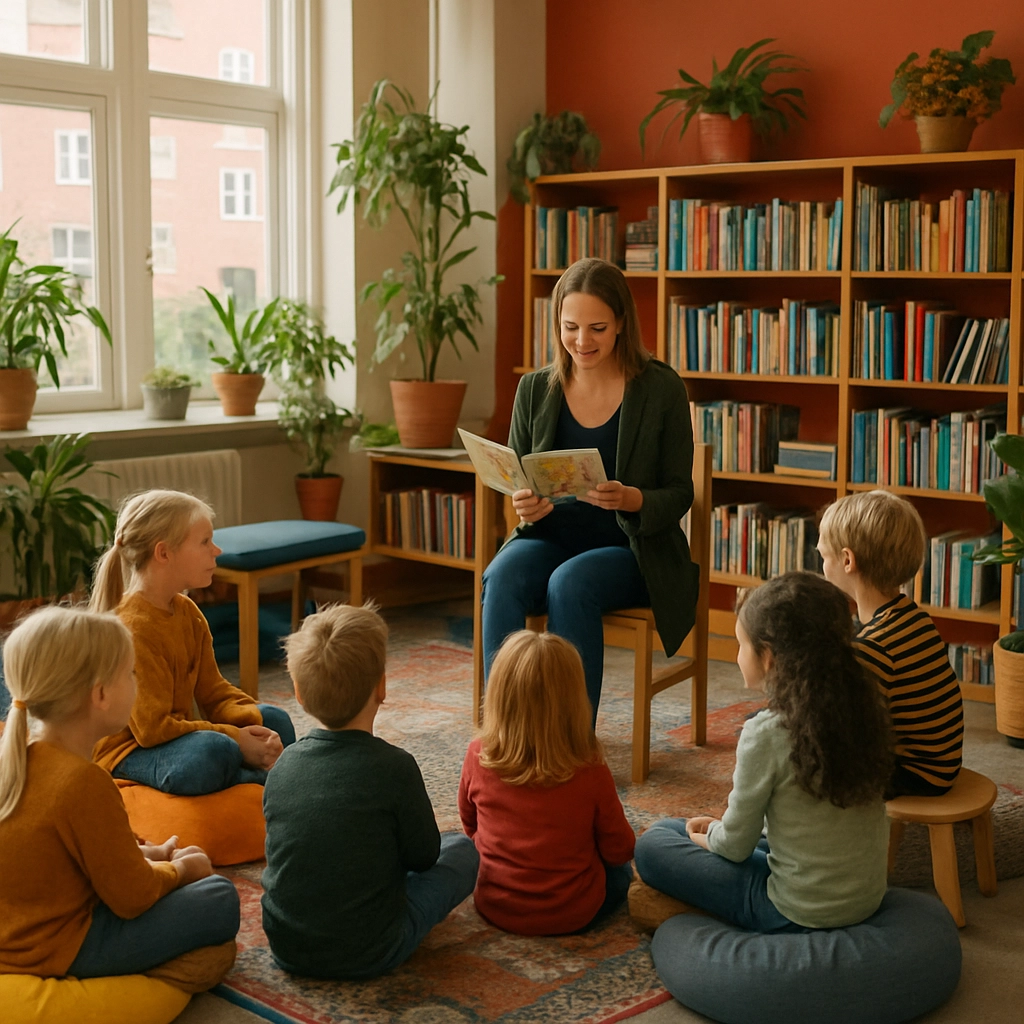
The heart of pedagogy in Denmark lies in a deep-seated belief in collaborative learning. You will rarely see a teacher lecturing from the front of the room for extended periods. Instead, lessons are structured around group work, peer tutoring, and project-based learning. This is not just a method; it is a reflection of the broader societal value of egalitarianism. The teacher is seen as a partner, not an authority figure. They guide, question, and support, but they do not dictate. The objective is not to have students compete against each other for grades, but to work together to solve problems and deepen their understanding. The Cult of Pedagogy article notes that this is a fundamental shift in power dynamics: it transitions from a model of 'teaching as telling' to 'learning as doing'.
What does this look like in practice? For example, a history class might not be a lecture about the French Revolution; instead, students would be divided into groups, each tasked with researching a different aspect of the revolution and then presenting their findings to the class in a creative format—a short play, a documentary, a digital presentation. This approach encourages deep learning, as students must synthesize information and explain it to others. It also naturally develops essential 21st-century skills such as communication, critical thinking, and leadership. The real-world application outside of Denmark is to look for ways to shift from individualistic, competitive assignments to more collaborative, authentic tasks. Even in a single classroom, adding a peer-review process or a group project can simulate this environment and produce remarkable results in student engagement and retention.
The Teacher’s Role: A Facilitator and Coach
In a Danish school, the teacher’s role is fundamentally different from the traditional model. They are not the sole dispenser of knowledge; they are a facilitator, a mentor, and a coach. Their primary responsibility is to create a learning environment where students feel empowered to ask questions, make mistakes, and take ownership of their learning journey. This is a demanding role that requires a deep understanding of each student's individual needs and a high degree of pedagogical flexibility. Teachers are trained to have these skills through a rigorous and highly respected teacher education program, which is one of the most sought-after degrees in Denmark. This process selects teachers who are not only academically strong but also passionate about child development and democratic values.
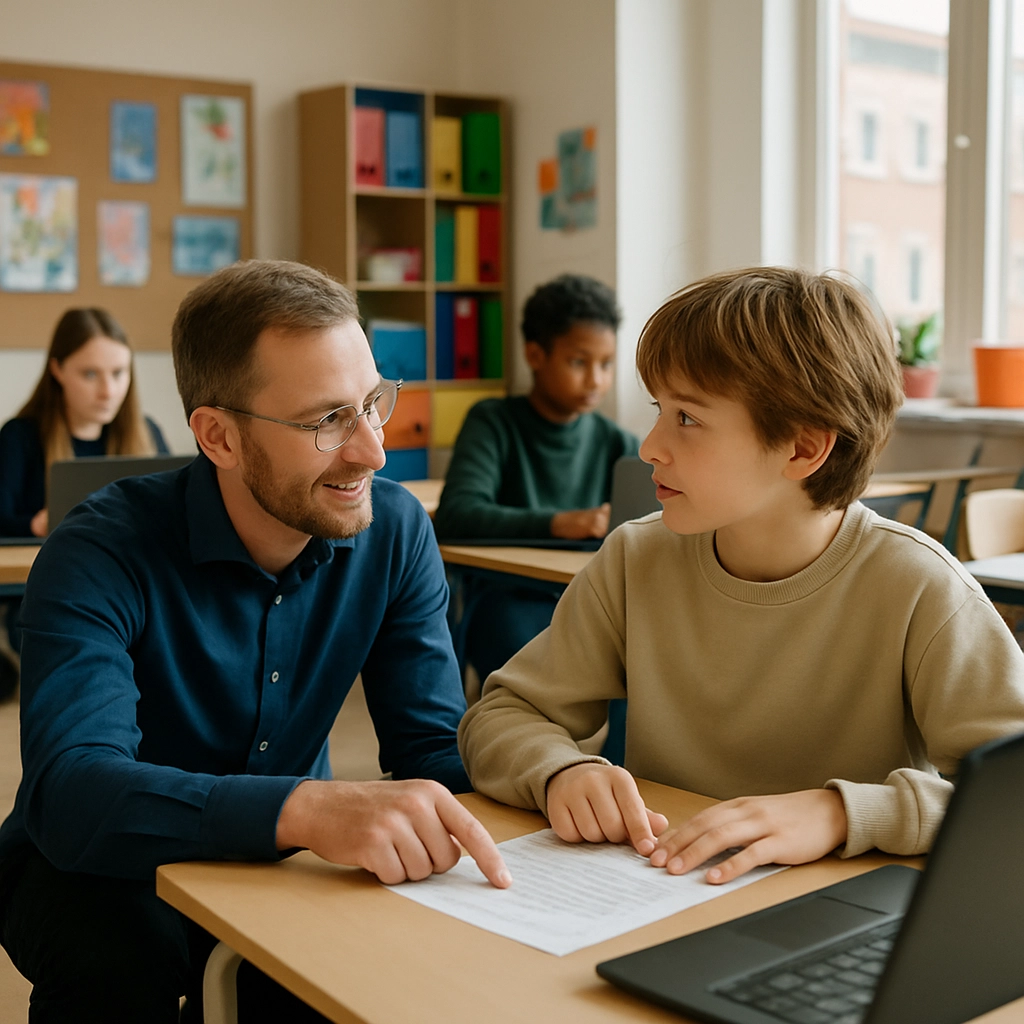
How does this manifest in the classroom? The article describes how teachers intentionally refrain from providing immediate answers. Instead, they use Socratic questioning techniques, prompting students to reflect, analyze, and arrive at their own solutions. They also spend considerable time giving individualized feedback. And because teachers are trusted professionals, they are given great autonomy in how they design and deliver their lessons. This professional respect translates into high job satisfaction and low turnover, which inevitably benefits the students—the long-term relationships between teachers and students are a key protective factor for emotional well-being. For educators elsewhere, a practical takeaway is to intentionally step away from the lecture podium more often, to ask more open-ended questions, and to build in regular times for one-on-one feedback, even if it means sacrificing some 'content coverage'—the deeper learning will more than compensate.
Beyond the Classroom: Community, Culture, and Everyday Life
The Danish education system extends far beyond the 9 to 3 school day. It is deeply embedded in a broader cultural context that supports learning and well-being. Have you ever wondered how the school system works in tandem with the societal ethos of ‘hygge’ (coziness) and work-life balance? The school day is typically shorter than in many countries, with a strong emphasis on outdoor play and physical activity. Even in winter, children go outside for recess, and regular physical education is a core subject. This is based on the fact that movement is essential for learning and emotional regulation. Furthermore, many schools incorporate 'open school' partnerships with local businesses, organizations, and cultural institutions, offering students real-world learning opportunities and a sense of belonging to a larger civic community. Museums, factories, and local farms are all part of the curriculum.
Another crucial element is the role of parents and community. There is a strong ethos of co-responsibility between schools and families. Teacher-parent conferences are child-centered, often involving the student directly, and they focus on setting long-term goals, not just a report card review. The entire community views the school as a central hub for social life, with evening activities, sports clubs, and cultural events all taking place within its walls. This holistic integration means that learning is not isolated—it is a lifelong, community-supported pursuit. This is the perfect real-world example of the old adage: 'It takes a village to raise a child.' The structure reinforces that education is not just a preparation for life; it is life itself.
Lessons for the Rest of the World: Adaptable Insights
So, what can other countries learn from this Danish model? The most important takeaway is not to transplant a system wholesale, but to extract core philosophies and adapt them to local contexts. The Danish approach is built on a strong democratic foundation, a deep cultural trust, and a societal consensus on the value of a healthy childhood—elements that may not be easily replicated in every society. However, several principles are universally applicable. The first is to genuinely reduce the stakes in testing. How can we shift from an accountability model to a growth model, focusing on feedback and reflection instead of grades? Secondly, we need to rethink the teacher-student relationship, empowering teachers to be mentors rather than just instructors. Thirdly, we can make small but meaningful changes to our school environments—allow for more flexible seating, bring in plants, and ensure that physical well-being is a priority through more movement and breaks. Finally, we must strive to involve the community more deeply in the educational process, breaking down the walls that separate school from the 'real world.'
Embracing a student-centered philosophy is not about doing less; it's about doing things differently—with more heart, more trust, and a clearer vision of what we want for our children. The benefits are clear: happier students, more fulfilled teachers, and ultimately a more informed and compassionate citizenry. Imagine walking into a classroom where students are excited to be there, where they feel they have a voice, and where they are genuinely challenged and supported. This vision is not a utopian dream; it’s a reality in Denmark.
Practical Applications: Bringing the Danish Spirit to Your School
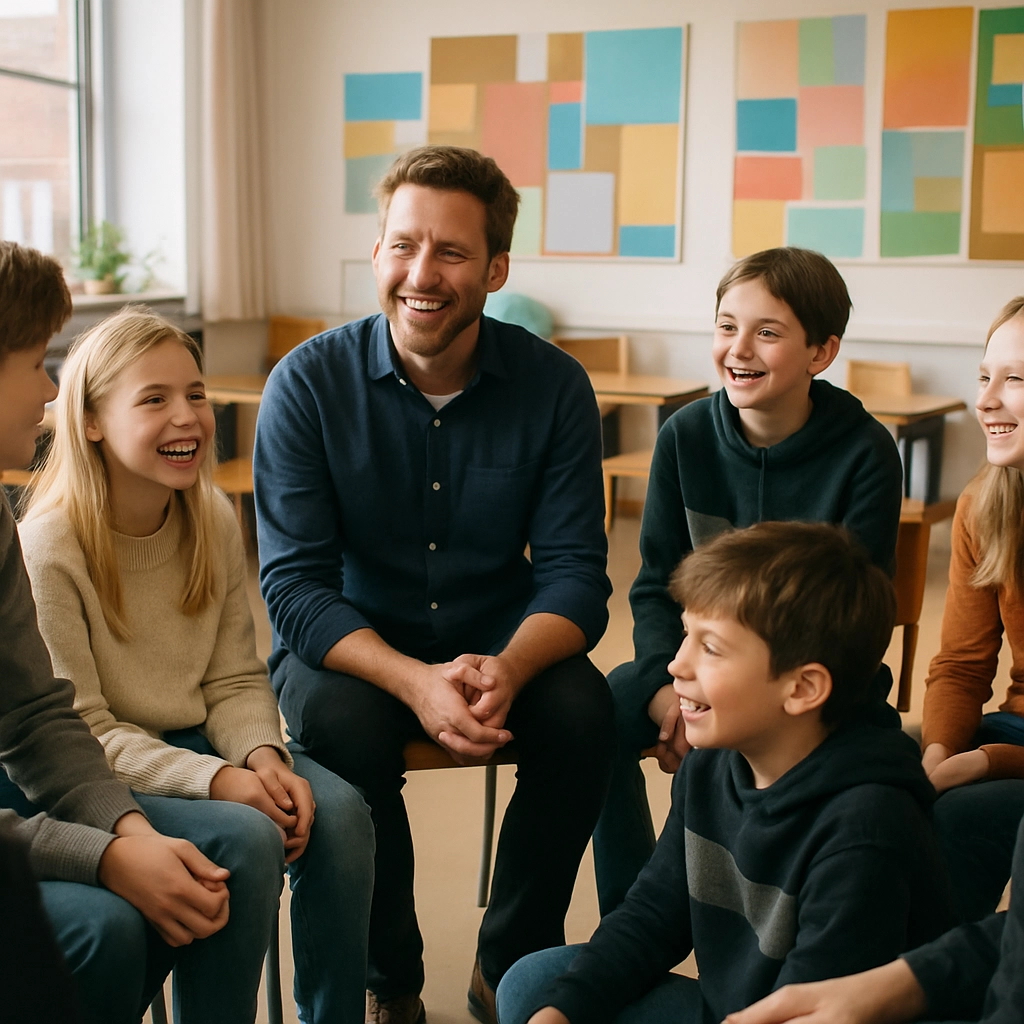
You might be thinking, 'This is all very interesting, but I don't live in Denmark. How can I possibly implement any of this?' It’s equally important to understand the practical steps that can be taken in any educational setting, from a new teacher in a suburban school to a principal in a large urban district. The journey starts with a shift in mindset—from a focus on control and compliance to one of empowerment and trust. One immediate action is to establish a class council or democratic forum where students can voice opinions on classroom rules, activities, and even curriculum choices. Give them real, bounded power to make decisions, and watch their engagement soar.
Next, eliminate 'busy work' and design authentic learning experiences. Ask students to solve a real problem in their community, critique a local advertisement, or start a school-wide podcast. This makes learning purposeful and directly connects to the real world—a strong pillar of Danish pedagogy. In terms of assessment, consider replacing a traditional test with a student-led conference or a project showcase that demonstrates learning in a tangible way. This fosters deep learning and kills the stress of cramming. Finally, prioritize collaboration in both the classroom and the staff room. Encourage group work, peer tutoring, and collaborative lesson planning among teachers. Teamwork will strengthen the professional community and model the behavior we want students to adopt. It's a journey of a thousand small steps, but each step can create ripples of positive change that—who knows?—might just transform an entire school culture.