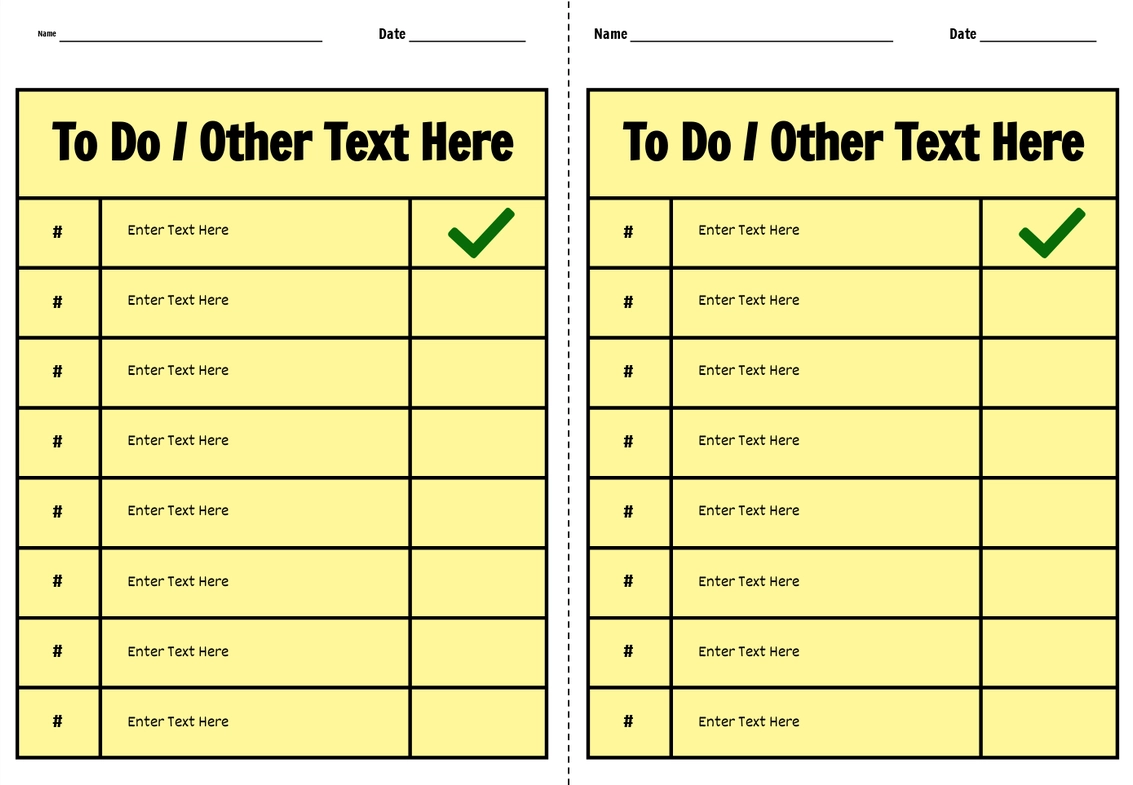
A student may know an assignment's topic without knowing what to submit. A short description connecting purpose, task and success criteria can make expectations clearer. This template prepares instructions before an assignment is distributed; it is distinct from tracking completion or assessing work after submission.
Begin with the learning goal
Write a goal linked to the work, then specify the final product. “Research water” is broad. “Write a paragraph explaining two household uses of water, with an example of each” defines the task more clearly. Adapt the length and language to the students' age and lesson.
Copyable instruction card
| Element | Teacher's review question |
|---|---|
| Purpose | Which idea or skill will the student practise? |
| Task | What is the final product and what are the main steps? |
| Sources and tools | What may be used and what needs attribution? |
| Success criteria | Which specific qualities will I look for in the work? |
| Submission | Where, how and when, and in what format if digital? |
| Help | How can the student ask about unclear instructions? |
Do not add an important requirement after work begins without explaining the change and allowing appropriate time. Test required links and check that students can access materials without unavailable accounts or subscriptions.
Complete example of a short task
Goal: explain an idea through examples. Task: write four to six sentences about two household uses of water. Steps: choose the uses, give a clear example of each, then check sentence order. Sources: lesson notes and everyday observations; family information is unnecessary.
Success criteria: identify two uses, connect each to an example, and write understandable sentences. Submission in this fictional example: on paper at the beginning of the next lesson. In actual use, the teacher replaces this with a specific date and an announced method. When help is needed, the student identifies the unclear sentence and asks the teacher before the deadline.
Check that the instructions are clear
Ask a student to explain the task in their own words without making this punitive. If the same question recurs, revise the wording and share the clarification with everyone. A submission error does not necessarily indicate weak understanding of the subject: the required product or submission route may have been unclear.
Publish the card alongside the assignment in the approved tool. Explore Schoolizer and check its available instruction-attachment options. For further assignment design questions, see the University of Waterloo checklist. This card and example are original.