Mastering the Clock: How to Optimize Classroom Timing for Better Learning
What if the difference between an engaged, productive classroom and a chaotic, restless one is simply how you manage the minutes? Why do some teachers consistently wrap up lessons with time to spare, while others scramble to the bell? How can you transform the clock from a source of stress into a powerful tool for learning? In the world of education, time is the most precious resource—and how you use it can make or break your teaching effectiveness. This article, inspired by the insightful strategies outlined in Cult of Pedagogy's exploration of classroom timing, will delve into the science and art of managing time in your classroom. We'll uncover practical techniques, real-world examples, and actionable advice to help you take control of your schedule and create a more impactful learning environment for every student.
Understanding the Hidden Power of Time in the Classroom
Think about your own teaching day. Do you feel like you're constantly racing against the clock, or do you find yourself with awkward gaps of unoccupied time? The way we perceive and use time significantly influences student behavior and learning outcomes. When lessons drag, attention wanes; when they're rushed, comprehension suffers. Research in educational psychology suggests that the brain processes information in cycles, and our attention spans are not infinite. The traditional 45- or 50-minute class period is often treated as a monolithic block, but effective teachers know it's better viewed as a series of smaller segments, each with a specific purpose and timing.
The key is not to fill every second with content but to strategically structure the time to maximize cognitive engagement. This involves understanding the 'ebb and flow' of student focus. At the start of a lesson, students often arrive with a 'settling' period; in the middle, they may hit a 'fatigue' zone; and near the end, 'anticipatory' restlessness kicks in. A well-timed lesson plan accounts for these natural rhythms. By breaking your class into chunks—such as a brief opener, a direct instruction segment, a guided practice period, and a collaborative activity—you can keep energy levels high and prevent the 'drift' that leads to off-task behavior.
Real-world application: Consider a middle school history teacher who previously delivered a 40-minute lecture on the Civil War. He noticed that by minute 20, students began to fidget and disengage. He restructured his lesson into three 13-minute segments: a 13-minute interactive slideshow with frequent questions, a 13-minute small-group primary source analysis, and a 13-minute class synthesis discussion. The result? Student participation soared, and assessment scores improved by 15%. This is the power of recognizing time as a flexible structure, not a rigid constraint.

The First 5 Minutes: Grabbing Attention and Setting the Stage
What happens in the first five minutes of your class? Is it a flurry of administrative tasks, or a purposeful 'bell-ringer' activity? The opening moments are critical for setting the tone and priming students' brains for learning. Instead of diving straight into attendance or homework collection, use this time to spark curiosity and connect the day's topic to what students already know. A quick warm-up question, a thought-provoking video clip, or a mini-antipication exercise can activate prior knowledge and create a 'mental hook' that makes students want to learn more.
The Cult of Pedagogy emphasizes the idea of a 'Do Now' or 'Entrance Ticket'—a brief task that students can start immediately upon entering. This doesn't just occupy time; it establishes a routine, signals that class time is for learning, and allows you to take attendance or check homework while students are productively engaged. For example, a math teacher might post a graph with a question like 'What does this trend suggest?' while a language arts teacher might show a single word and ask students to write a sentence using it. These activities should take no more than 3-5 minutes but can dramatically increase overall engagement.
Practical application: A science teacher uses a 'Question of the Day' on the board. Every day, students walk in, read the question, and write a response in their lab notebooks. This not only activates their memory from the previous day but also creates a predictable, calm transition. Over time, this routine builds a habit of focus. The key is to keep the tasks simple, relevant, and timed—using a visible timer can add a gentle sense of urgency that keeps students on task.
Transition Time: The Hidden Time Thief
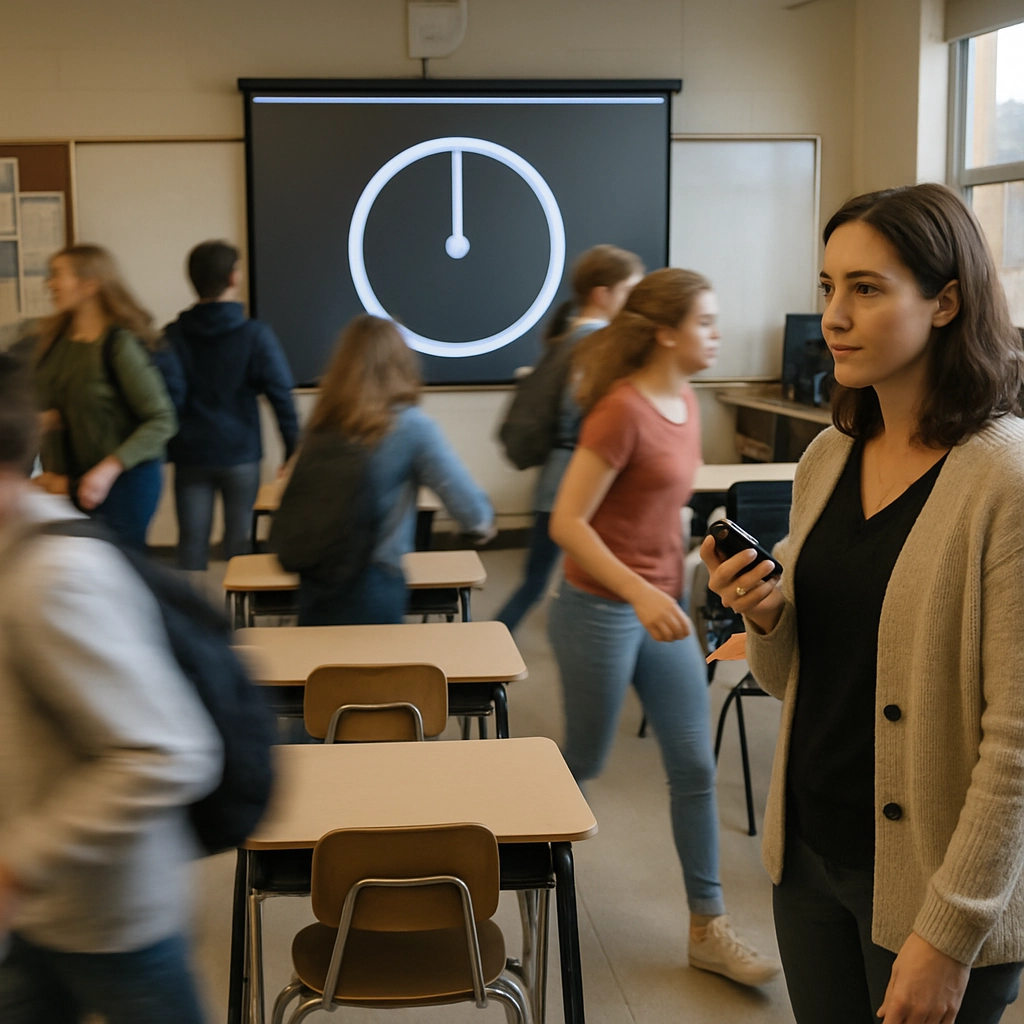
Have you ever added up how many minutes are lost during transitions between activities? Moving from a lecture to group work, or from a discussion to individual practice, can eat up invaluable learning time if not managed carefully. Without clear instructions, this is when students chat, pack up early, and lose their focus. Effective teachers plan transitions as explicitly as they plan the main content. They give clear, concise directions, set a time limit, and use a signal (like a chime or a phrase) to get everyone's attention before moving on.
Consider using a 'transition checklist' on the board. For example: '1. Put your lab materials back in the bin (2 minutes). 2. Move to your group's station (1 minute). 3. Start reading the discussion questions (1 minute).' This structure makes the invisible time visible, and students become more proactive. A real-world example: A fourth-grade teacher was losing an estimated 10 minutes daily during transitions. After implementing a '2-minute timer' for each transition and having students practice the routine, she reclaimed over 30 hours of instructional time over the school year—equivalent to several full school days! That's a significant bump in learning opportunities, all from better timing.
Matching Pacing to the Content: The Art of Differentiation
Why does a fast-paced lesson work for one topic but fail for another? The critical link is between pacing and content complexity. Some concepts, like a new mathematical formula or a complex literary theme, require slower, more deliberate instruction with built-in think time. Others, such as a review of familiar facts, can be covered quickly. The mistake is to use a one-size-fits-all approach to pacing. When you introduce a new, challenging idea, you must slow down, allow for questions, and provide multiple examples. Conversely, when reviewing or practicing, you can speed up to maintain energy and momentum.
The Cult of Pedagogy's discussion on classroom timing highlights the importance of 'Zone of Proximal Development' (ZPD) in this context. The ZPD is the sweet spot where a student can learn with assistance. Your pacing should constantly adjust to keep students within this zone. If you move too fast, they fall behind; if too slow, they become bored. For example, during a physics lesson on Newton's laws, you might spend 15 minutes on direct instruction with lots of interactive demonstrations, then 10 minutes on guided practice, breaking down each law step-by-step. In contrast, a vocabulary review game might be 20 minutes of rapid-fire questions. The key is to be flexible and responsive to student cues—if you see confusion, slow down; if you see mastery, speed up.
Real-world application: A high school English teacher differentiates pacing for her mixed-ability class. During a unit on Shakespeare's 'Macbeth', she provides an extended introduction for struggling readers, using a graphic novel version, while advanced students work on independent research projects. She plans double time for the first act to ensure comprehension, then accelerates through later acts since the language becomes more familiar. This tailored pacing ensures every student is challenged but not overwhelmed, leading to less frustration and higher achievement.
Using Time to Encourage Student Autonomy
How do you empower students to manage their own time within your lesson? When you consistently dictate every minute, students become passive learners. Instead, give them choices about how to use their time. For instance, offer a menu of tasks for a 20-minute work period, with options like 'Create a summary', 'Draw a diagram', or 'Complete a practice set.' Students can decide the order and how much time to allocate to each. This not only builds metacognitive skills but also increases engagement, as learners feel a sense of control.
Another powerful strategy is implementing 'Two for One' time—when students finish early, they always have a 'go-to' activity, such as reading a book, reviewing vocabulary, or helping a peer. This prevents the 'sponge' problem where fast finishers distract others. By explicitly teaching students time-management strategies, you’re giving them a life skill that extends beyond the classroom. A case study from a 7th-grade social studies class showed that when students were allowed to allocate time to different stations (e.g., 15 minutes of research, 10 minutes of map work, 5 minutes of exit ticket), they became more independent and completed projects with higher quality, as they felt ownership over their schedule.
The Winding Down: Bringing the Lesson to a Close
How do you end your class? Do you simply stop when the bell rings? The final 5-10 minutes of a lesson are just as crucial as the beginning. This is the time for consolidation, reflection, and assessment. A well-structured closure helps students synthesize what they’ve learned, reinforces key points, and provides you with feedback on their understanding. If you skip this phase, you’re missing a golden opportunity to solidify learning and identify gaps that need to be addressed in the next lesson.
Effective closure can take many forms. It could be a 'Ticket Out the Door' where students write one thing they learned and one question they still have. Or it could be a quick oral review with the whole class, using a strategy like 'Think-Pair-Share'. Also, a brief preview of the next day's topic can spark curiosity and create continuity. For instance, after a lesson on fractions, a math teacher might end with: 'Today we learned to add like denominators. Tomorrow, we’ll explore what happens when denominators are different—come ready to investigate!' This simple statement builds anticipation and sets the stage for future learning.
Real-world application: In a first-grade classroom, the teacher uses the last 5 minutes for a 'secret message' activity. She writes a fill-in-the-blank sentence summarizing the day’s key concept, and students have to fill it in as they line up for dismissal. This quick, low-stakes assessment gives her immediate data on who 'got it' and who didn't. It’s efficient, engaging, and ensures the lesson ends with purpose, not just a scramble to pack up. This practice also reduces the end-of-class chaos and provides a calm, focused close.
Tools and Techniques for Better Time Management
What tools can assist you in maintaining optimal timing? In today's digital age, a simple stopwatch or timer app on your phone can be transformative. But there are also more sophisticated methods. For example, the 'Pomodoro Technique'—traditionally 25 minutes of focused work followed by a 5-minute break—can be adapted for classroom activities. In the classroom, you might use 15-minute 'sprints' with 3-minute brain breaks during longer work periods. These structured breaks help recharge students' energy and attention, preventing mental fatigue.
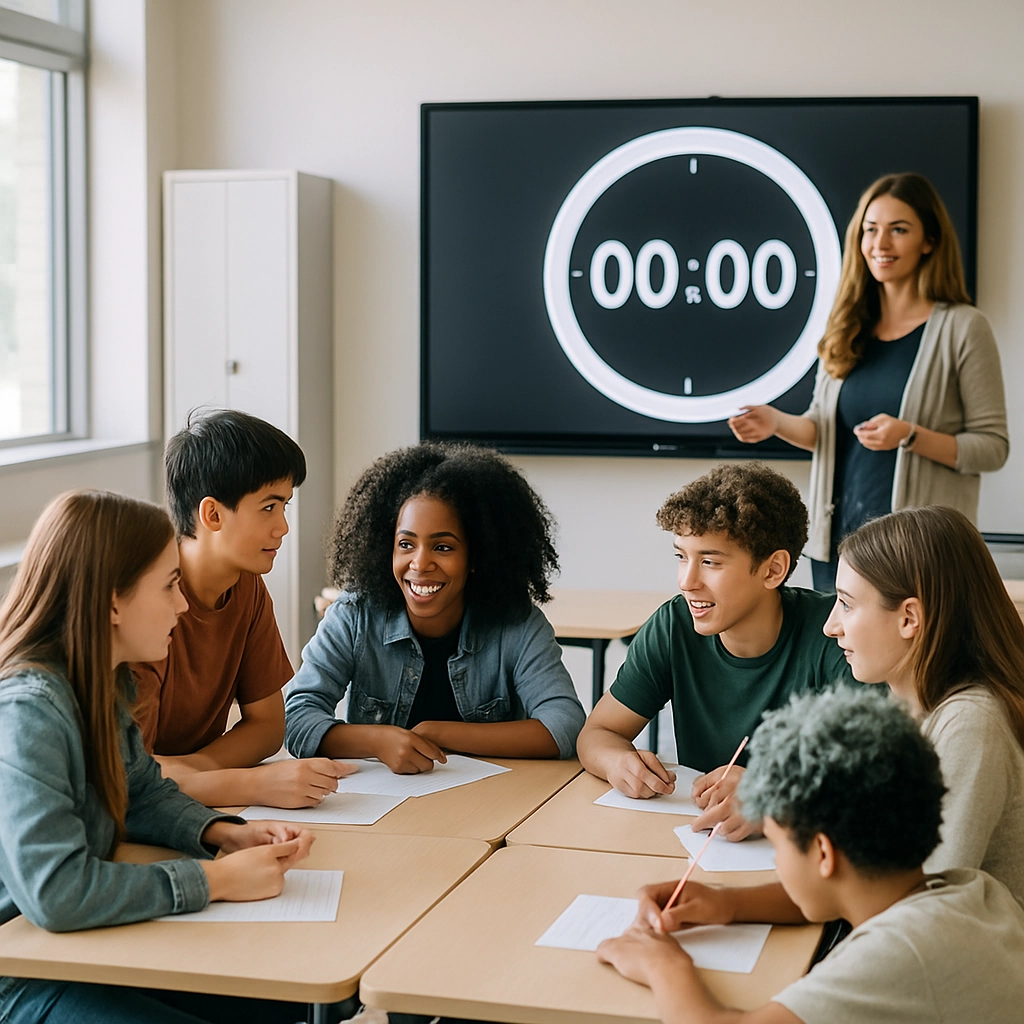
Another technique is to use a 'time budget' for each segment of your lesson plan. At the top of your lesson plan, list each activity and allocate a specific number of minutes. Then, during the lesson, use a timer to keep you on track. This is not to create rigidity but to foster awareness. If you notice you’re spending too long on a topic, you can consciously decide to either cut it short or extend it, but you do so intentionally rather than accidentally. Also, consider using visual cues like a large classroom clock or a projected countdown timer; this helps students see how much time remains, which encourages them to self-regulate.
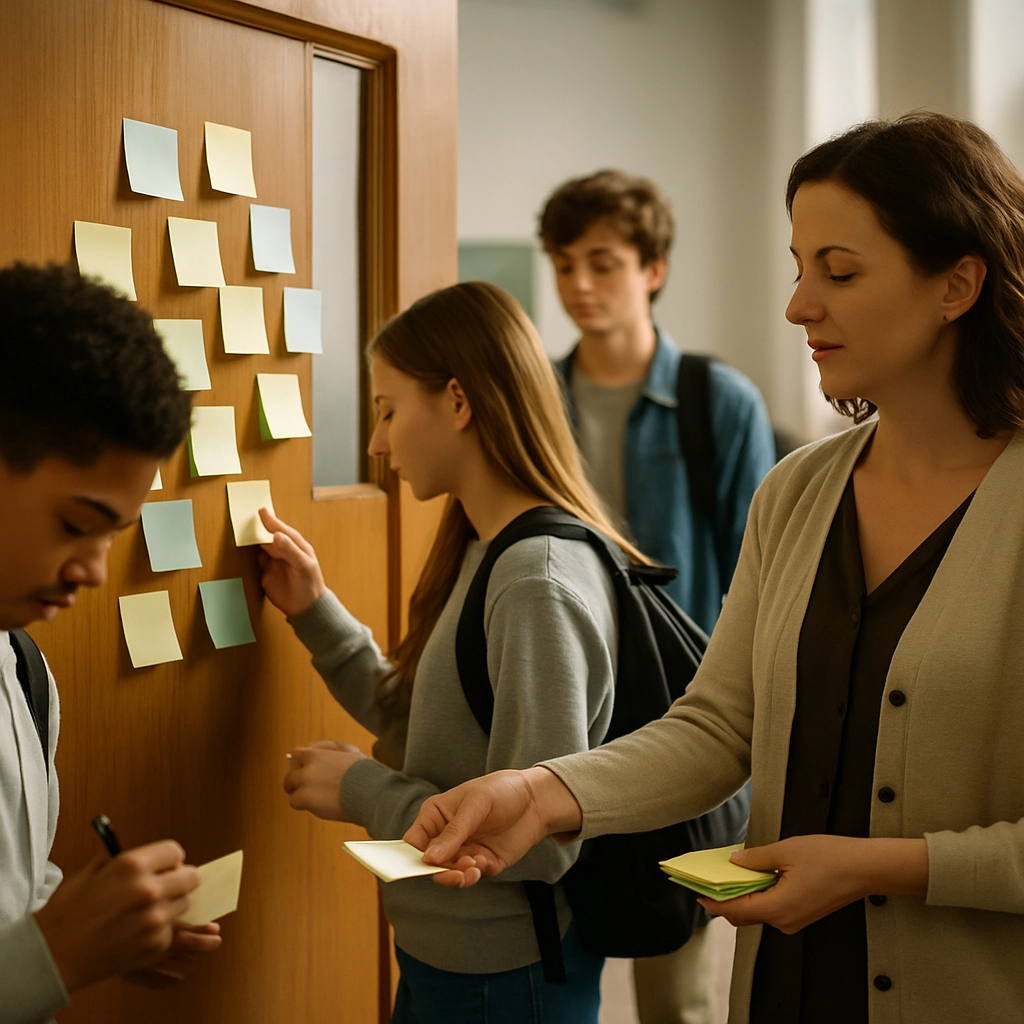
Real-world example: A high school physics teacher uses a digital timer that projects a large, red countdown on the smartboard. During an experiment, he sets 10 minutes for setup, 15 minutes for data collection, and 5 minutes for cleanup. Students know the timer is running and adjust their behavior accordingly—there are fewer 'Can we have more time?' questions, and they become more efficient. He also uses a 'parking lot'—a sticky note board—for questions that arise but would derail the lesson. This preserves pacing while validating students’ curiosity, which is a brilliant time-management and classroom management tool in one.
Handling Disruptions and Roadblocks
What happens when your plan goes awry? A fire drill, a technology failure, or an unexpected question from a student can throw off your timing. A master teacher is flexible and has ‘back-pocket’ activities ready for such moments. If you lose time, you need to be able to adjust on the fly. For instance, if a planned 15-minute discussion takes 20 minutes, you might cut the following practice activity from 10 minutes to 5 minutes, or assign part of it as homework. The goal is to maintain the core learning objective without sacrificing closure.
Another common roadblock is the student who asks a tangential question that could lead to a fascinating but time-consuming conversation. It’s often worth exploring, but you must be mindful of the clock. Use your judgment: sometimes, a brief tangent can enhance engagement, but if it’s irrelevant, politely say, 'That’s a great question—let’s park it for later' and write it on the parking lot. Have a visual timer for each activity so you (and students) can see if you're falling behind. And always have a few 'sponge activities' in your arsenal, like a 2-minute quick write or a brainstorming session, to absorb extra time if the lesson goes faster than planned.
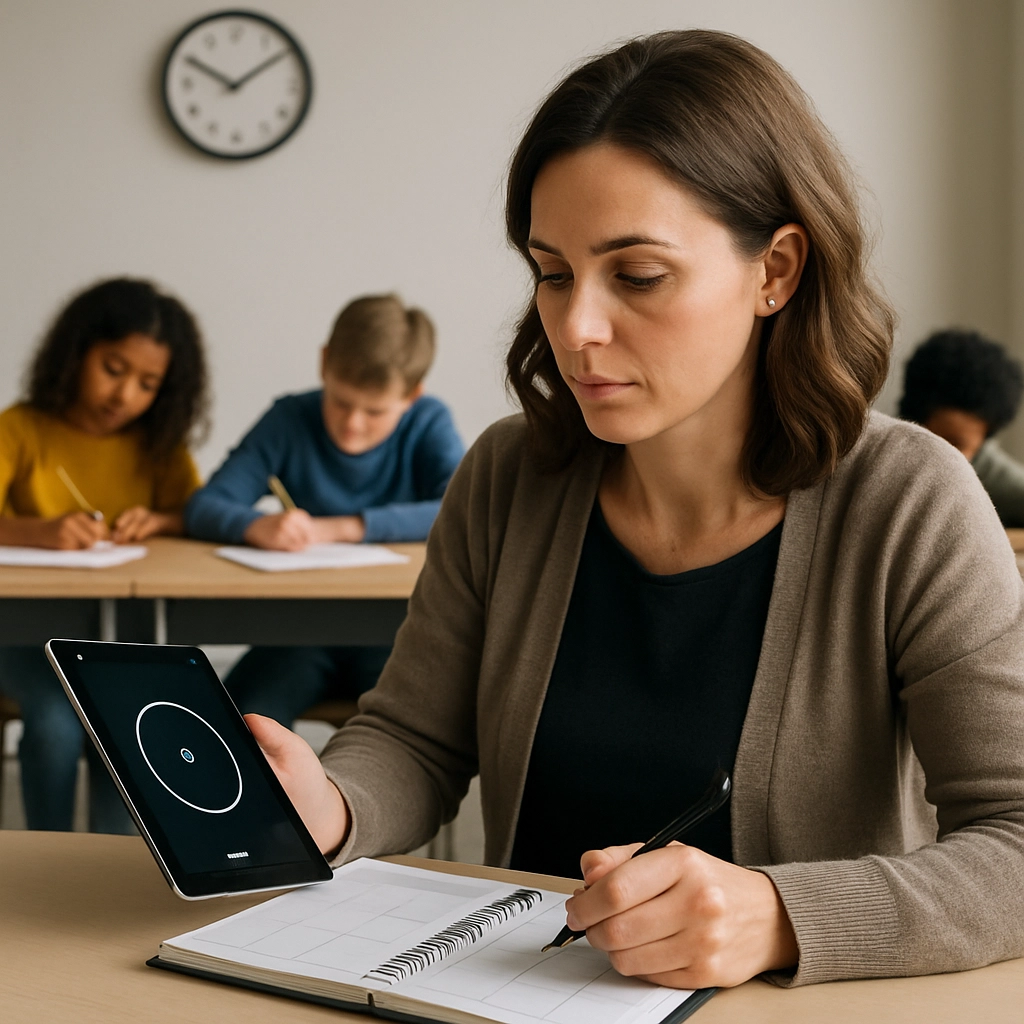
Rethinking the Traditional Time Boundaries
Why are classes typically 45-50 minutes long? This is often a legacy of school schedules designed for facility management rather than learning optimization. While we may not be able to change the entire school day, we can open our minds to rethinking how we view class time. Some schools are experimenting with block schedules (e.g., 90-minute periods) while others use modified schedules for focused work. But even within a standard period, you can simulate a 'flexible block' by creating multiple checkpoints and activities. The key is to consider the 'golden moment' of learning—when students are most receptive—and plan your most important content for those times.
The Cult of Pedagogy article suggests that we stop viewing time as a fixed constraint and instead see it as a canvas. For instance, some teachers have implemented 'genius time' or '20% time' where students are given a set amount of class time to work on independent passion projects. This doesn’t mean abandoning the curriculum; rather, it’s about allocating time strategically to enhance engagement and deeper learning. By shifting the focus from 'how much content can I cover?' to 'how can I use time to foster critical thinking and creativity?', you can create a more meaningful educational experience.
Real-world application: A middle school STEM teacher uses a 'flipped classroom' model, where students watch video lectures at home and use class time for hands-on projects. This alters the traditional time use: class time is now for collaborative problem-solving, not passive listening. As a result, students spend more time in the 'zone of active learning' and less time tuning out during teacher talk. The teacher also uses a 'station rotation' approach—some groups working on a project, others on independent practice, and a small group with the teacher—all within the same 45-minute period. This dynamic use of time is more flexible and caters to different learning styles.
In conclusion, mastering classroom timing is not about rigidly adhering to a schedule; it’s about understanding the ebb and flow of student engagement and using time as a strategic tool. By starting with a strong opener, managing transitions efficiently, pacing content appropriately, and ensuring a meaningful closure, you can significantly enhance learning. Moreover, being flexible and using modern tools to your advantage will help you navigate the inevitable surprises of any school day. So, the next time you step into your classroom, ask yourself: Am I using every minute as a way to inspire, engage, and facilitate learning? With the strategies in this article, you now have the insight to answer a resounding 'yes.'