
Why Are Chapter Books Crucial for 2nd Graders? How to Choose the Best Series for Their Growing Minds
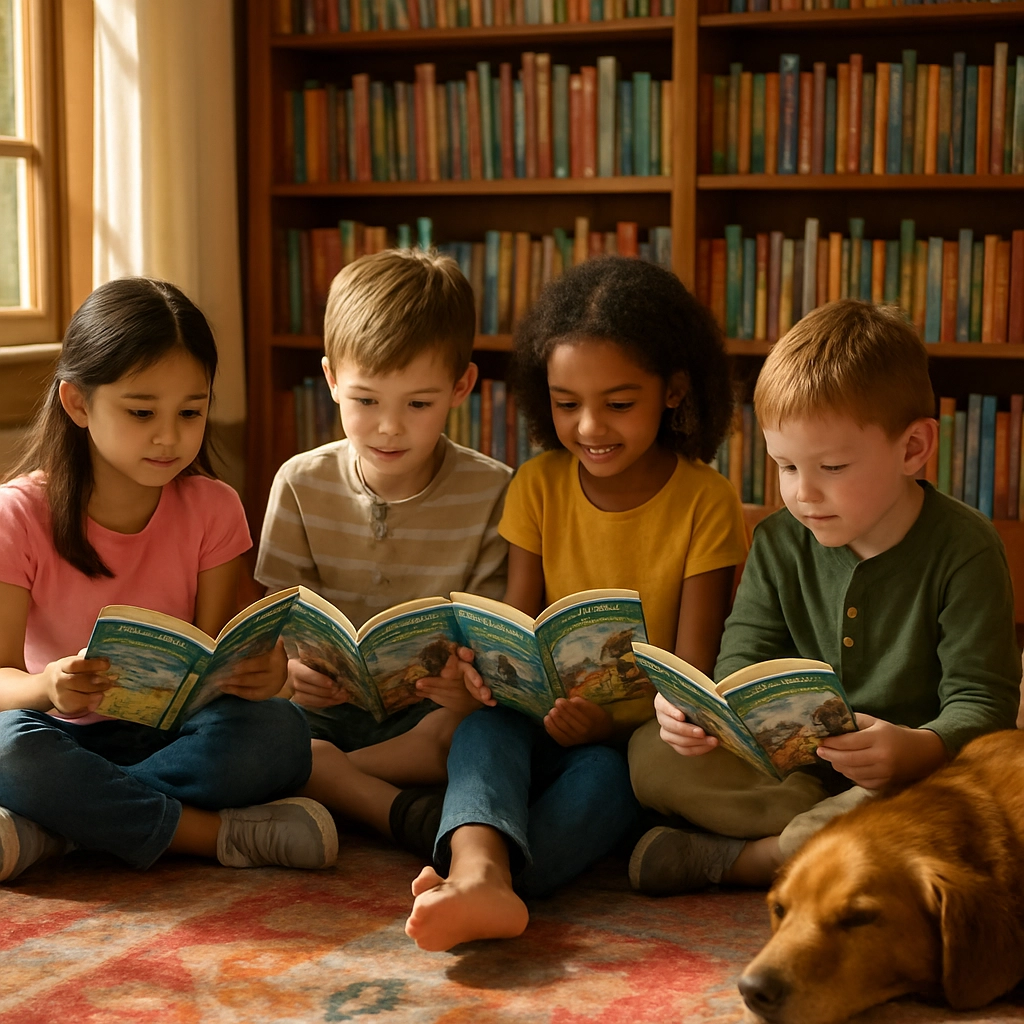
What makes a 7-year-old child fall in love with reading? Why do some children devour books while others struggle to turn a single page? How can parents and teachers spark a lifelong passion for stories in 2nd graders? The answer often lies in the magical world of chapter book series. For a 2nd grader, moving from picture books to chapter books is a monumental milestone. It’s not just about reading more words; it’s about building confidence, expanding imagination, and developing critical thinking skills. But with thousands of options available, how do you choose the perfect series that will captivate a young reader's heart and mind? Let’s dive deep into the world of chapter book series for 2nd graders, exploring why they matter, what makes a series great, and how to find the ideal match for every child.
Section 1: Understanding the 2nd Grade Reading Leap – Why Chapter Books Matter
Why is 2nd grade such a pivotal year for reading development? At this age, children typically transition from 'learning to read' to 'reading to learn.' They have mastered basic phonics and sight words, and they can decode simple sentences fluently. This is the perfect window to introduce chapter books, which offer longer, more complex narratives that require sustained attention and comprehension.
Chapter books serve as a bridge between early readers and middle-grade novels. They have short chapters, engaging plots, and often include illustrations, which help young readers visualize the story and maintain interest. The structure of a chapter book teaches children to follow a narrative over multiple sittings, building their memory and ability to make predictions.
Real-world example: Consider a 2nd grader named Lily who was hesitant to read anything longer than a picture book. Her teacher introduced her to the Magic Tree House series by Mary Pope Osborne. The first book, 'Dinosaurs Before Dark,' immediately captured her attention with its blend of adventure and history. Within weeks, Lily was reading a chapter every night and begging for 'just one more page.' Her reading fluency increased, and she started asking questions about the historical periods she visited in the books. This transformative experience is exactly what chapter books can offer: a doorway to independence and curiosity.
How can you support this leap? Start by choosing series with shorter chapters (around 10 pages) and plenty of dialogue. These features make the reading feel less intimidating and more like a movie playing in the child's head. Also, let the child choose the series based on their interests—whether it's animals, mystery, fantasy, or everyday life.

Section 2: The Top 10 Series That Win Hearts – What to Look For
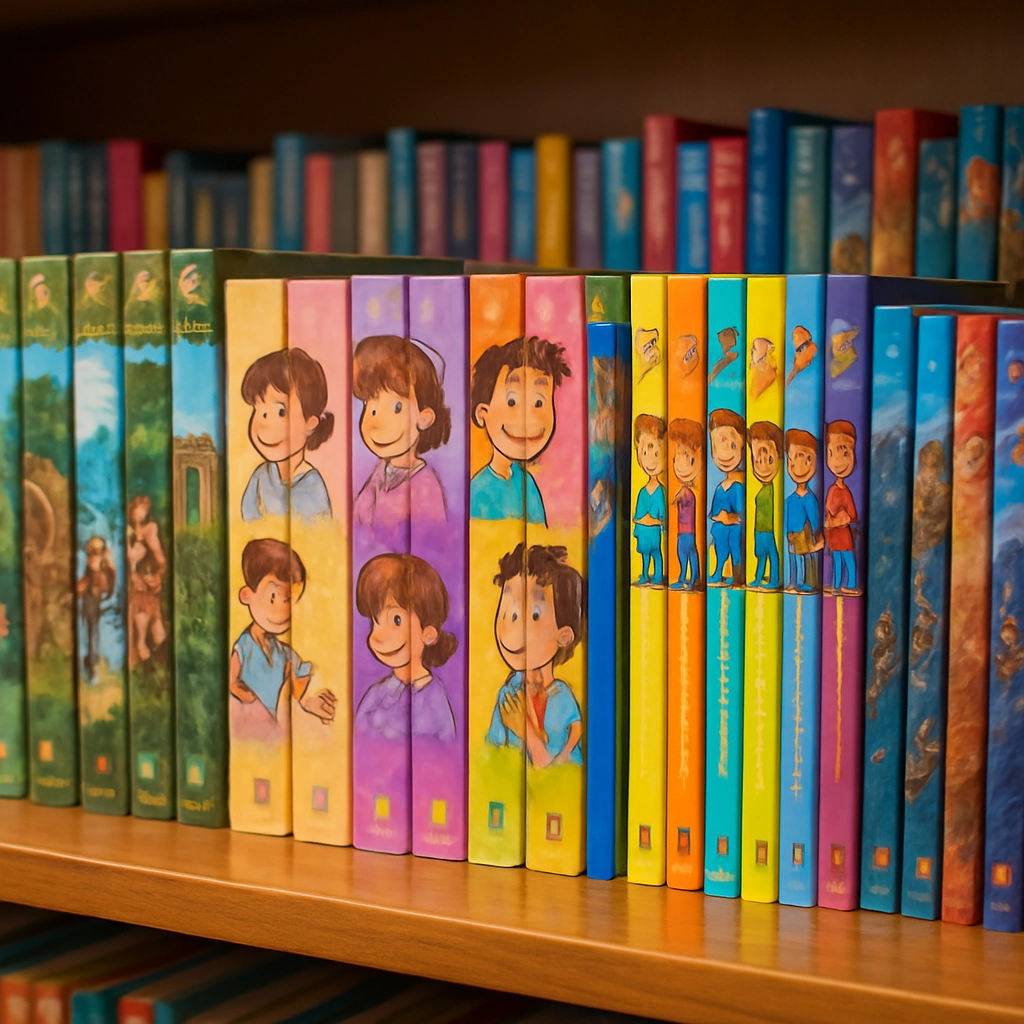
What exactly makes a chapter book series a hit with 2nd graders? It's a combination of relatable characters, exciting plots, age-appropriate vocabulary, and a sense of achievement as the child finishes each book. The website Imagination Soup, a trusted resource for parents and teachers, has curated a list of tried-and-true series that consistently engage 2nd graders. Here are some of the standout series and why they work:
- Magic Tree House by Mary Pope Osborne – This series is a classic for a reason. Each book is a time-travel adventure where siblings Jack and Annie go on missions in different historical eras. The short chapters, factual sidebars, and thrilling plots make it an educational and entertaining choice.
- Junie B. Jones by Barbara Park – Junie B. is a feisty, funny kindergartener (later in the series she's in 1st grade) whose misadventures are hilarious and relatable. The books are written in a child's voice, using playful language and silly humor that kids love, making them perfect for developing a sense of humor in reading.
- Nate the Great by Marjorie Weinman Sharmat – These mysteries are simple, with a young detective solving everyday cases. The books are easy to read, have short chapters, and include a glossary and jokes at the end, encouraging critical thinking and attention to detail.
- Mercy Watson by Kate DiCamillo – With colorful illustrations and a lovable porcine protagonist, these books are pure joy. Mercy, a spirited pig, gets into all sorts of trouble, teaching empathy and kindness in a fun way.
- My Weird School by Dan Gutman – This series is filled with absurd humor and quirky teachers. Each book focuses on a different teacher with a quirky personality, which keeps the series fresh. The humor is a huge draw for kids who need a laugh to stay engaged.
- The Bad Guys by Aaron Blabey – These graphic novel hybrid books are wildly popular. They follow a group of villains trying to be heroes, with fast-paced action, lots of illustrations, and themes of redemption and teamwork.
- Henry and Mudge by Cynthia Rylant – This series is perfect for emerging readers. The stories are about a boy and his big dog, touching on themes of friendship and loyalty. The simple vocabulary and gentle plots are reassuring for hesitant readers.
- Amelia Bedelia by Peggy Parish – Amelia Bedelia's literal interpretations of instructions lead to hilarious confusion. These books are excellent for teaching wordplay, idioms, and multiple meanings of words.
- Katie Kazoo, Switcheroo by Nancy Krulik – Katie gets turned into various animals and people, teaching her (and the reader) about empathy and different perspectives. The books are short and engaging, with a smattering of illustrations.
- Cam Jansen by David A. Adler – For kids who love mysteries, Cam uses her photographic memory to solve crimes. The plots are straightforward, and the character development is strong, teaching observation and problem-solving.
Each of these series offers something unique, but they all share common threads: strong characters, clear plot structure, and a high-interest storyline that keeps pages turning.
Section 3: Matching Series to Reading Levels and Interests – How to Choose
How do you ensure the series you pick is not too hard or too easy for a 2nd grader? This is a common worry for parents. The key is to balance readability with challenge. A book that is too difficult can cause frustration and a loss of confidence, while one that is too easy can bore the child. Here’s a practical approach:
First, use the 'Five Finger Rule.' Have your child read a page from a book. If they don't know five or more words on that page, the book is likely too challenging for independent reading. However, it might still be a great 'read-aloud' book for bedtime. For independent reading, look for books where the child knows most of the words, but there are a few new ones to learn.
Interest is just as important as reading level. A child who loves animals will be captivated by the Mercy Watson series, while a budding historian might prefer Magic Tree House. If your child is a sports fan, look for series like Kicker or The Game Changers. The more the child cares about the subject, the more effort they’ll put into reading.
Practical application: Create a 'Reading Ladder' at home or in the classroom. Start with the easiest series, like Henry and Mudge or Nate the Great, and gradually move up to more complex ones, such as The Bad Guys or My Weird School , depending on the child's pace. Celebrate each book finished with a small reward, like a sticker or a trip to the library to pick the next one. This builds a positive association with reading.
Also, consider audiobooks. A child can listen to a chapter book that might be slightly above their reading level, which builds vocabulary and comprehension. Following along with the printed text while listening is an excellent strategy to support fluency.

Section 4: Making Reading Interactive – Activities to Boost Engagement
Why is it essential to go beyond just reading the text? Engaging children with hands-on activities can deepen their understanding and make the reading experience memorable. Here are several ideas to turn reading a chapter book into an interactive adventure:
- Create a Story Map: After reading a few chapters, have the child draw a map of the settings in the book. For Magic Tree House, they can draw the tree house, the forest, and a scene from each historical period. This helps with spatial thinking and recall.
- Character Diary: Ask the child to write a diary entry from the perspective of a character. What would Junie B. Jones write about her day? What would Nate the Great write after solving a case? This encourages empathy and writing skills.
- Predict and Confirm: Before reading a new chapter, ask the child to make a prediction about what will happen next. After the chapter, confirm or adjust the prediction. This develops inferential thinking and attention to plot clues.
- Book Talks: Let the child give a 'book talk' to family members or classmates, explaining why they love the book and trying to convince others to read it. This builds oral communication and confidence.
- Related Crafts: After reading Mercy Watson, create a paper pig craft. For The Bad Guys, make masks of the characters. These activities tie the story to a tangible creation, making it more memorable.
Real-world example: In a 2nd-grade classroom, the teacher reads My Weird School aloud. She then has students create their own 'weird teacher' character, drawing a picture and writing a short paragraph about their traits. The children are incredibly excited and eager to write, showcasing how interactive elements can spark creative writing.

Section 5: Overcoming Reluctant Readers – Strategies That Work
What if your 2nd grader simply refuses to pick up a chapter book? This is a common challenge, but with the right approach, you can turn a reluctant reader into an enthusiastic one. The key is to make reading feel like a treat, not a chore.
First, eliminate pressure. Do not force a child to read a book that they find boring. Instead, provide a wide variety of series and let them choose. Even if they pick a comic book or a graphic novel, like Dog Man or Captain Underpants, these are legitimate forms of reading that build vocabulary and comprehension. According to the Imagination Soup list, these are incredibly popular with 2nd graders and are a great gateway to more text-heavy books.
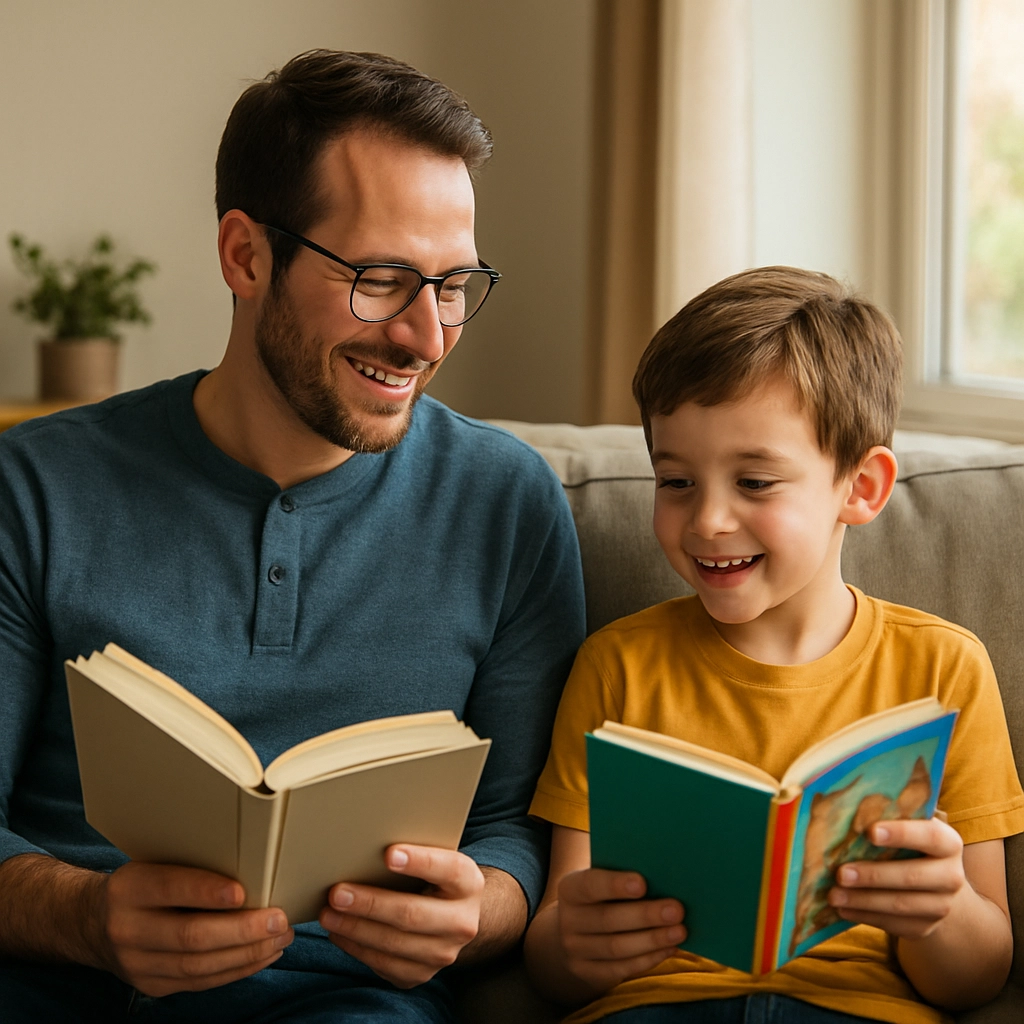
Second, read to them. Sometimes children resist because they worry about reading incorrectly. When you read a chapter aloud, you model fluency and expression, and you take the pressure off the child. As you read, pause to ask questions like, 'What do you think will happen next?' This builds interest.
Third, use the 'D.E.A.R.' (Drop Everything And Read) time. Set aside 15-20 minutes daily for the whole family to read silently, including grown-ups. This normalizes reading and shows the child that it's a valuable activity.
Fourth, create a reward system. A simple reading chart where the child earns a star for each chapter read can be very motivating. After a certain number of stars, they can pick a small prize, like a trip to the ice cream shop or choosing the family movie for movie night. This gives them a tangible goal.
Finally, be present. Ask them about their book. Show genuine curiosity. If they see you are interested, they are more likely to be interested too. For example, ask, 'What did Nate the Great discover today?' This small conversation can make them feel like a serious reader.
Section 6: Building a Reading Culture at Home and in the Classroom – Long-Term Benefits
Why is it so important to cultivate a love of reading in 2nd grade? The benefits extend far beyond the classroom. Children who enjoy reading by 3rd grade are more likely to be successful in all subjects, including math and science, because they have a stronger vocabulary and comprehension skills.
Creating a reading culture at home involves more than just having books. It's about making books accessible and celebrated. Designate a cozy reading corner with pillows and a bookshelf. Display books prominently. Visit the library regularly and let your child get their own library card. The excitement of borrowing a new book is a powerful motivator.
In the classroom, teachers can foster a reading community by doing 'book talks' once a week, where different students present a book they enjoyed. Have an 'author study' each month, where you read several books by the same author and discuss their style and themes. This connects children across different reading levels and interests.
Real-world application: Many schools have '100 Books Before Graduation' or 'Reading Challenge' programs. These incentivize reading, and 2nd graders, with their new chapter book skills, can proudly participate. At home, you can have a family reading challenge: see who can read the most books in a month, with a fun prize for the winner.
Let’s look at a study by the Annie E. Casey Foundation, which showed that children who do not read proficiently by the end of 3rd grade are four times more likely to drop out of high school. This statistic underscores the critical nature of the 2nd-grade reading phase. It’s not just about completing a book; it’s about building a foundation for life.
Conclusion: The journey of a 2nd grader into chapter books is a pivotal moment in their educational life. By carefully selecting engaging series, understanding their interests and reading levels, making reading interactive, and persistently encouraging their efforts, you can ignite a flame that will illuminate their path to lifelong learning. Remember the words of Dr. Seuss: 'The more that you read, the more things you will know. The more that you learn, the more places you'll go.' So, open a book, and let the journey begin.